Introduction
How to choose your first investment is a big question for many beginners who want to grow their money safely and confidently. With so many choices, it is easy to feel unsure or overwhelmed. The good news is that choosing your first investment becomes much easier when you follow a clear plan. This guide gives you simple steps, friendly advice, and practical tools backed by real experience. You will learn how to compare investment options, understand risk, avoid costly mistakes, and build habits that support long-term growth. By the end, you will feel more prepared to choose your first investment wisely.

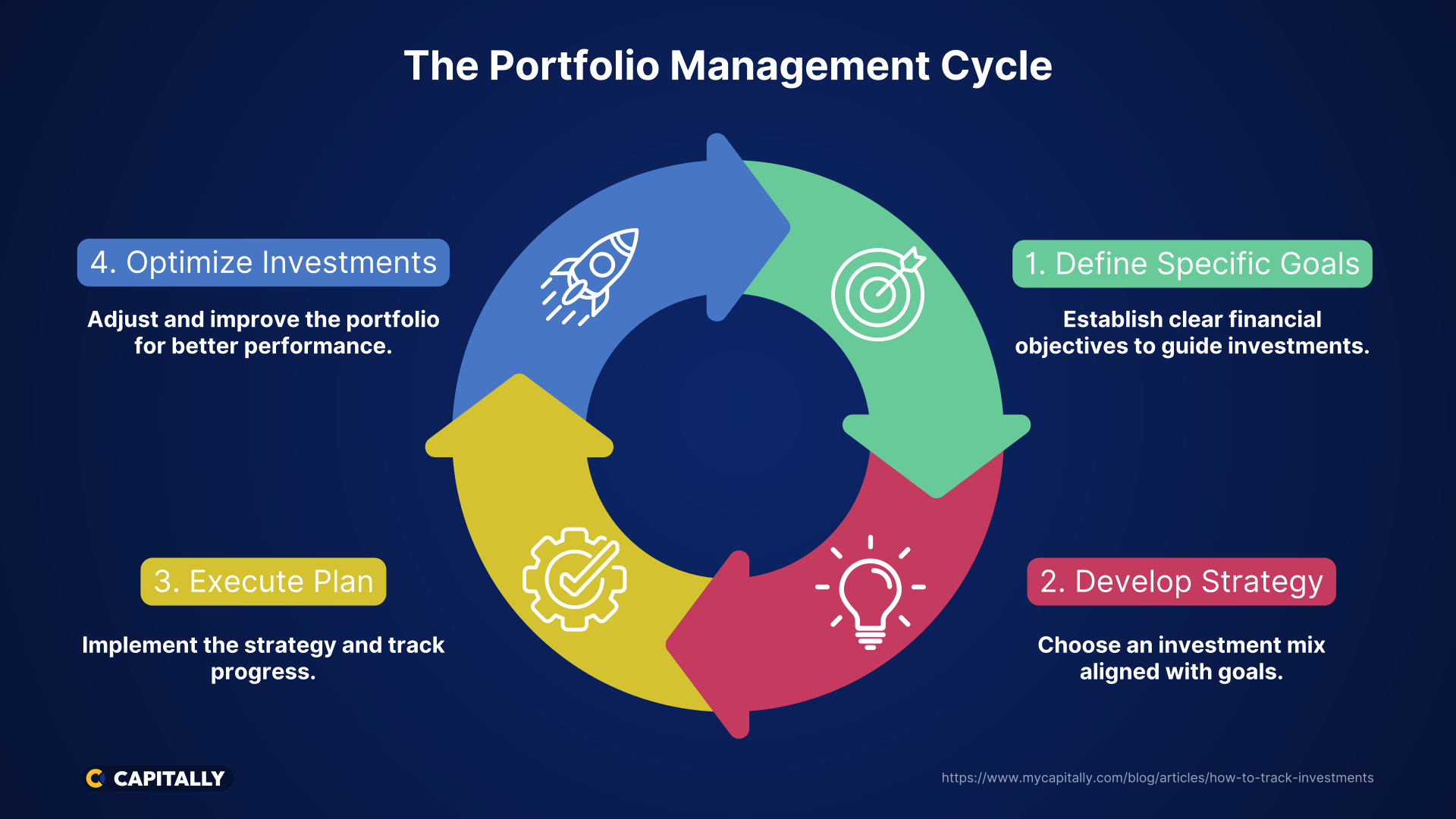
1. Start With Clear Goals to Guide Your First Investment
When learning how to choose your first investment, your goals are your starting point. Clear goals help you make smart decisions because they show you what matters most. Without goals, many beginners choose investments based on guesswork or emotion. Goals remove the guesswork and give you a strong direction.
Start by listing what you want to achieve. Do you want to build wealth for the future, save for your first home, or grow money slowly for long-term security? Each goal leads you toward different investment choices. For example, short-term goals often match safer investments, while long-term goals match growth investments like index funds or ETFs.
Think about your time frame. Your “investment timeline” is the number of years you can leave your money invested. Short timelines usually require safer choices, because you do not have enough time to recover from market drops. Long timelines give you room to handle ups and downs. This is why many people use stocks or total-market index funds for long-term wealth building.
Next, decide your comfort level with risk. Everyone is different. Some people want slow and steady growth. Others prefer faster growth with more movement in their investments. Understanding your personal comfort keeps you from panicking when the market changes.
You can also break your goals into three simple categories:
- Short term (0–3 years): safer choices
- Medium term (3–7 years): balanced choices
- Long term (7+ years): growth choices
This simple breakdown makes it easier to match your goals with the right investments.
When your goals are clear, choosing your first investment feels less stressful and more organized. You know why you are investing, what timeline you have, and what type of risk feels right for you.

2. Understand Different Types of Investments and Their Risk Levels
A key part of learning how to choose your first investment is understanding how risk works. Every investment carries some level of risk. Risk does not mean danger. Risk simply means how much an investment might go up or down over time. When you understand risk, you make better decisions and avoid emotional reactions.
Investments fall into three general categories:
Low-Risk Investments
These include government bonds, high-yield savings accounts, and money market funds. They grow slowly but are steady and predictable. Many beginners start here when they want safety first.
Medium-Risk Investments
Balanced funds, corporate bonds, and some types of real estate fall into this group. They offer more growth with moderate movement.
High-Risk Investments
These include individual stocks, crypto, and certain global funds. They offer faster growth, but they also move more. Beginners with long timelines often include some high-risk options for growth.
A helpful concept to learn is volatility. Volatility describes how often and how strongly an investment changes. If you get stressed easily by market swings, you may prefer lower volatility options like broad index funds.
Another factor to consider is liquidity, which means how quickly you can access your money. Investments like real estate are less liquid, while ETFs and stocks are very liquid.
A smart beginner strategy is diversification, which means spreading your money across several types of investments. This lowers risk because one losing investment won’t harm your entire portfolio.
Understanding risk helps you decide what fits your comfort and goals. It also builds your confidence, because you know what to expect.


3. Compare Costs and Fees Before Making Your First Investment
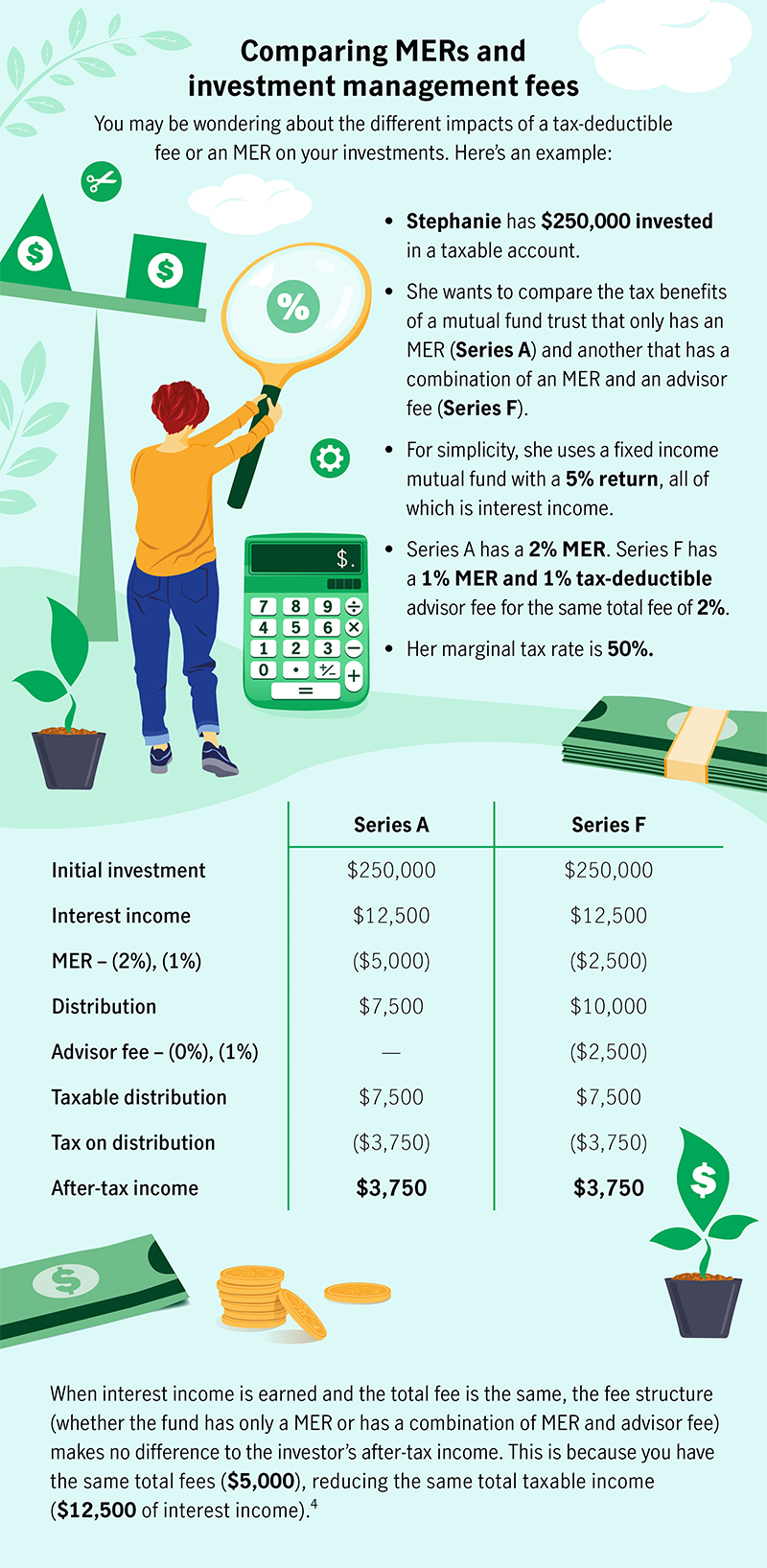
Another important step in how to choose your first investment is understanding fees. Fees are small costs that can reduce your returns over time. Many beginners forget to check fees, but smart investors look closely at them.
Here are the most common fees you may see:
Management Fees
Some investments charge a fee every year to manage your money. These are taken automatically.
Expense Ratios
Index funds and ETFs usually have expense ratios. These are annual costs shown as a percentage. Lower is better. Many strong index funds have very low expense ratios.
Trading Fees
Some platforms charge a fee every time you buy or sell. Today, many beginner-friendly platforms offer zero-commission trading, which is great for you.
Hidden or Extra Fees
These may include:
- Account maintenance fees
- Early withdrawal penalties
- Advisor fees
- Transfer fees
Always read the details before investing. If a fee seems unclear, choose a different option. Many platforms are transparent and beginner friendly.
To stay organized, make a simple comparison table. Include:
- Investment name
- Type
- Fees
- Minimum amount required
- Historical performance
This makes comparing choices much easier.
Another cost to think about is taxes. Some investment accounts offer tax benefits. Others do not. If your country offers tax-advantaged accounts, beginners should explore them.
Tracking fees helps you keep more of your money. You grow faster when you pay less.
4. Start With Simple and Beginner-Friendly Tools Like Index Funds and ETFs
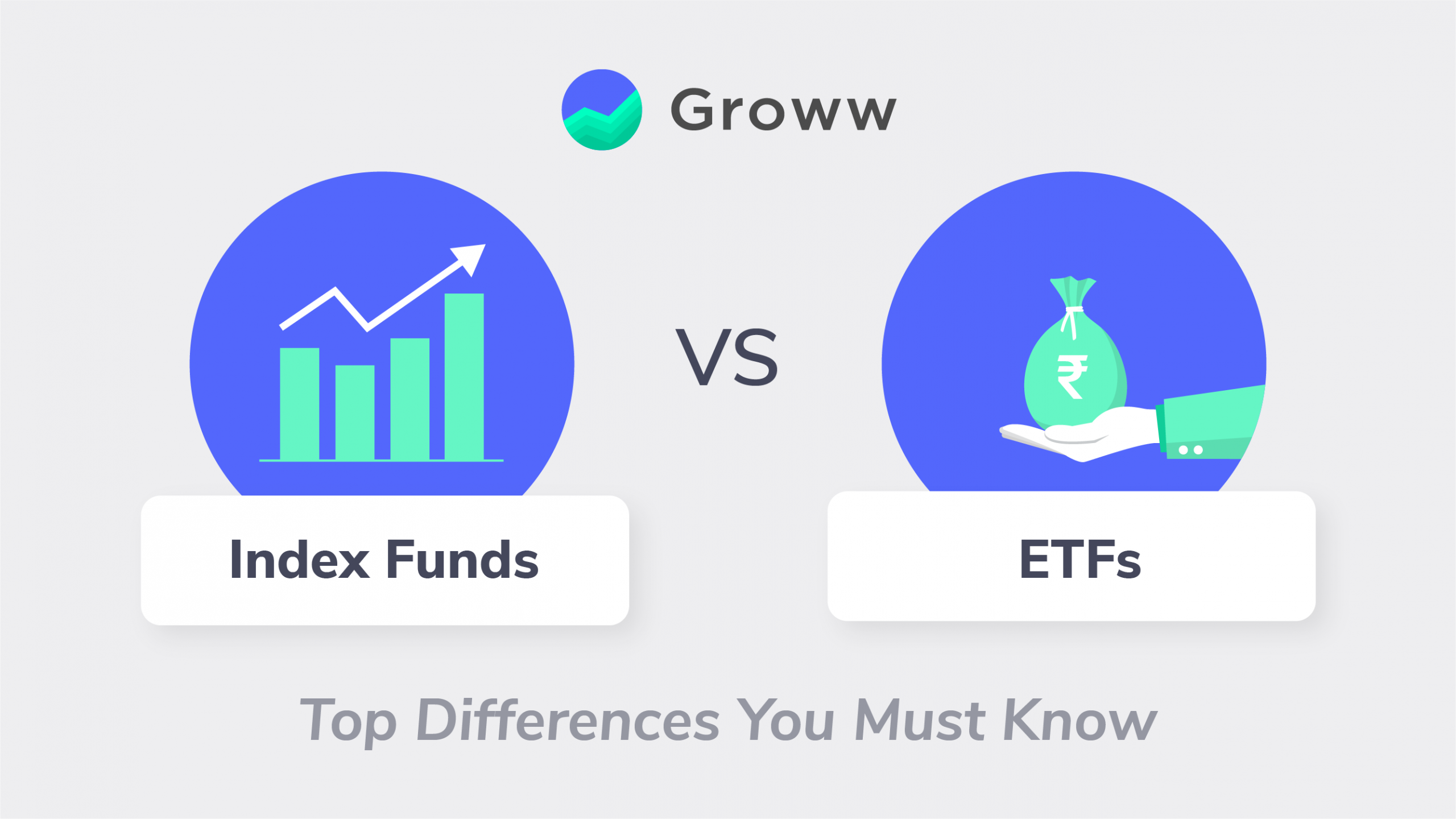
A helpful approach for how to choose your first investment is to begin with simple tools that are safe and easy to understand. Index funds and ETFs are two of the most beginner-friendly options available today.
Index Funds
Index funds follow a market index, such as the S&P 500. Instead of trying to beat the market, they match it. This keeps fees low and performance stable over time.
Exchange-Traded Funds (ETFs)
ETFs are similar to index funds but trade like stocks. They offer flexibility, low fees, and instant diversification. You can buy and sell them during the day.
Why Beginners Start With These Tools
- They spread your money across many companies
- They lower risk
- They reduce stress from market swings
- They help you avoid choosing single stocks too early
- They fit long-term goals very well
You can start with small amounts. Many platforms allow investments of just a few dollars. This makes investing accessible even if you are starting with a small budget.
Dollar-cost averaging is another smart beginner strategy. It means investing the same amount regularly, such as once a week or once a month. This helps smooth out market ups and downs.
If you feel overwhelmed by too many choices, start with one broad-market index fund or ETF. This gives you instant diversification and keeps your plan simple.

5. Use Research Tools to Make Informed Investment Decisions
A key skill in how to choose your first investment is learning how to research. Good research helps you avoid mistakes, compare options, and understand how each investment works.
Use Beginner-Friendly Websites
Websites like Investopedia and NerdWallet offer simple explanations, comparisons, and definitions. They are helpful when learning new terms.
Check the Official Fund Page
Most funds provide a fact sheet that includes:
- Expense ratio
- Top holdings
- Risk level
- Historical performance
- Investment strategy
The fact sheet helps you understand the investment at a glance.
Use Comparison Tools
Many platforms let you compare investments side by side. This helps you pick the one with the best balance of fees, risk, and performance.
Try Portfolio Simulators
Simulators let you practice without using real money. You can test different choices, see how they perform, and learn safely.
Take Notes
Write down why you like an investment, its fees, and its risks. Over time, these notes help you grow as an investor.
When you know how to research, you make confident choices. You understand what you are buying and why it fits your goals.

6. Start Small, Track Your Progress, and Adjust as You Learn
The final strategy for how to choose your first investment is to start small and adjust over time. You do not need a lot of money to begin. What you need is consistency and patience.
Starting with small amounts reduces pressure and helps you learn the process without fear. Many people begin with as little as five or ten dollars. As you grow more comfortable, you can add more.
Create a tracking habit. Check your investments once a month instead of every day. Daily changes can cause unnecessary stress. Monthly checks help you stay focused on long-term growth.
Review your progress regularly. Ask yourself:
- Am I comfortable with the risk level?
- Do I want to add a new investment type?
- Do my goals need updating?
As your life changes, your investments can change too.
You can also automate your investments. Automatic deposits help you stay consistent even when you are busy. Consistency is one of the biggest keys to long-term success.
If you want more detailed beginner guides, visit our related resource at https://moneybasicshub.com/
Conclusion
Learning how to choose your first investment becomes much easier when you follow clear steps. Start with your goals, understand risk, compare fees, use simple tools like index funds and ETFs, research wisely, and grow your confidence over time. Small, steady steps lead to strong long-term results. With the right habits, your first investment becomes a smart and confident move toward your financial future.

FAQ: How to Choose Your First Investment
1. What is the safest first investment for beginners?
The safest choices are usually high-yield savings accounts, government bonds, and broad-market index funds. These options grow steadily with lower risk.
2. How much money do I need to start investing?
You can start with as little as five to ten dollars on many beginner-friendly platforms. What matters most is consistency, not the amount.
3. Should beginners buy individual stocks?
Not at first. Individual stocks can move a lot. Most beginners start with index funds or ETFs because they offer instant diversification.
4. How do I avoid losing money?
You cannot avoid all risk, but you can lower it by diversifying, choosing long-term investments, and avoiding emotional decisions.
5. How do I know if an investment is right for me?
Match your investment to your goals, risk comfort, and time frame. If it fits all three, it is likely a good match.
6. Should I check my investments every day?
Daily checks can create stress. Most investors check once a month or once a quarter to stay focused on long-term growth.
7. How long should I hold my first investment?
Many beginners aim for at least three to five years. Longer time frames reduce the impact of market ups and downs.
📌 Call to Action
Ready to take your first step toward growing your money with confidence?
Start applying what you learned in this guide and make your first move today.
👉 Download our free beginner investment checklist
👉 Explore our beginner-friendly tools and guides
👉 Read the next article: “Saving vs investing — when to choose which in 2025: 9 Smart & Powerful Strategies for Better Money Decisions“
👉 Sign up for updates so you never miss a new lesson
Your financial future starts with one simple choice.
Take action today and invest in your goals.