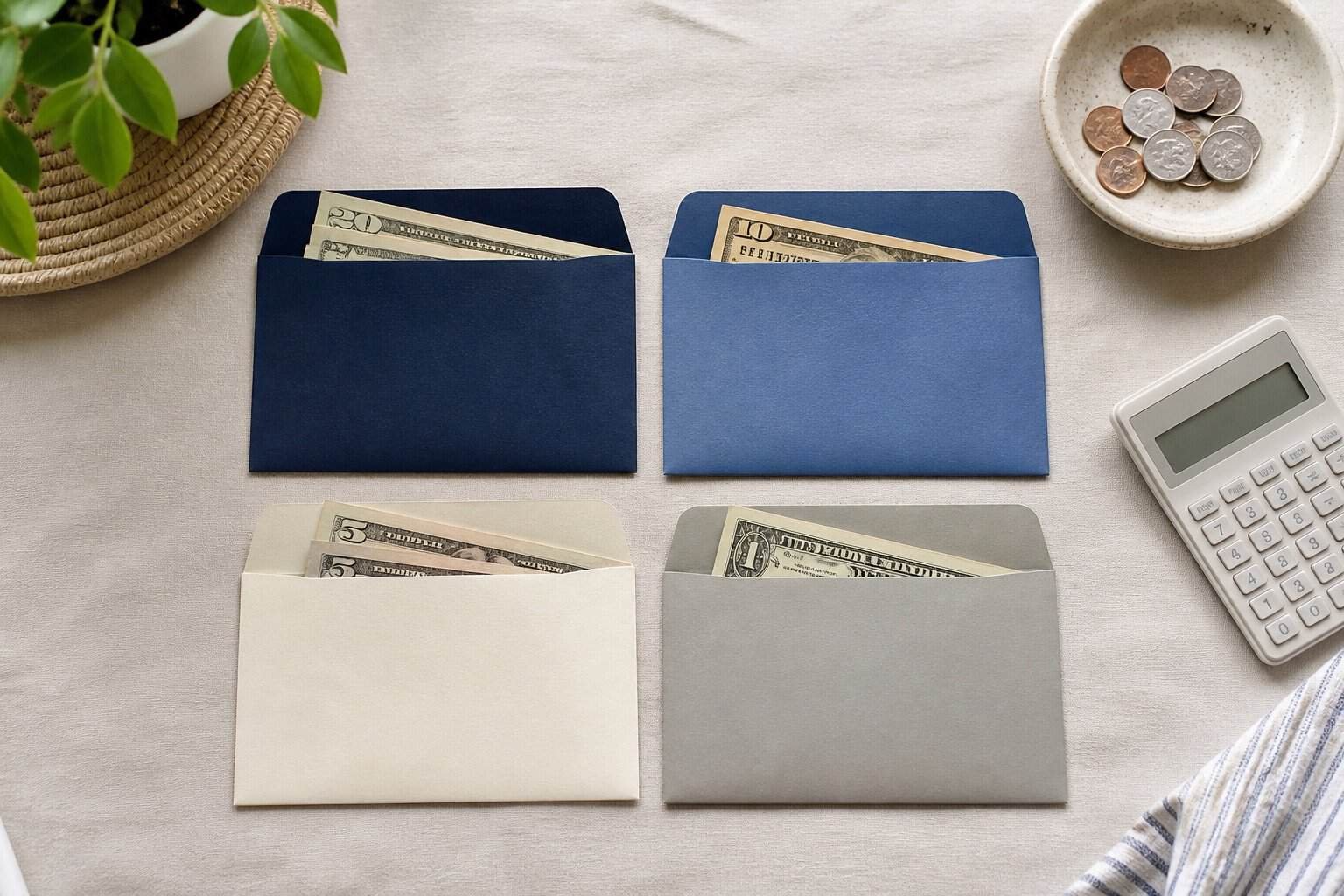
If you have been anywhere near TikTok or Instagram in the last year, you have probably seen someone pulling crisp bills out of colorful envelopes, sorting them into labeled categories, and somehow making budgeting look satisfying. That is cash stuffing — and it is not just a trend. It is a real budgeting method that has helped thousands of people stop overspending and take control of their money.
Cash stuffing is simple enough that anyone can start today, and powerful enough to completely change how you think about spending. This guide breaks down exactly how it works, how to set it up, and why it is so effective even in a world dominated by digital payments.
What Is Cash Stuffing?
Cash stuffing is a budgeting method where you withdraw your spending money in cash and physically divide it into labeled envelopes — one for each spending category. When the cash in an envelope runs out, you stop spending in that category until your next payday.
It is based on the classic envelope budgeting system that financial advisors have recommended for decades. The only difference is that social media gave it a new name and turned it into a visual, shareable experience. The core idea is the same: you cannot overspend money you can physically see running out.
This is what makes cash stuffing different from using a debit card or budgeting app. With a card, spending feels abstract. You tap, swipe, or click and the number in your account drops somewhere in the background. With cash, you watch the money leave your hands. That physical experience triggers a psychological response called the “pain of paying” — and research shows it genuinely makes people spend less.
Why Cash Stuffing Works So Well
Cash stuffing is not popular just because it looks good on camera. It works because it solves the three biggest problems most people have with budgeting.
It Makes Spending Feel Real
Studies from MIT and Carnegie Mellon have found that people spend significantly more when using cards compared to cash. The reason is simple — handing over physical money activates the same brain regions associated with physical pain. That slight discomfort is actually useful. It forces you to pause and ask whether a purchase is worth it before the money leaves your hand.
It Removes the Need for Willpower
Most budgets fail because they rely on self-discipline in the moment. Cash stuffing removes that problem entirely. You make all your spending decisions once — on payday, when you divide the cash. After that, the envelopes enforce the budget for you. When the grocery envelope is empty, you are done buying groceries until next payday. No app notifications, no mental math, no guilt. Just a simple, physical limit.
It Gives You Instant Clarity
With cash stuffing, you always know exactly where you stand financially. Open the envelope, count the bills, and you know how much you have left. No logging into apps, no reconciling transactions, no wondering if a pending charge has cleared. The information is right there in your hands.
How to Start Cash Stuffing: Step-by-Step
Getting started takes about 30 minutes and costs almost nothing. Here is exactly what to do.
Step 1 — Calculate Your Monthly Take-Home Pay
Write down the exact amount that hits your bank account each month after taxes and deductions. If your income varies, use the average of your last three months or the lowest month for a safer estimate. This number is your starting point — everything else flows from it.
Step 2 — Pay Fixed Bills First
Before you withdraw any cash, pay all your fixed bills digitally. Rent or mortgage, car payment, insurance, phone bill, internet, subscriptions, and any loan payments should come out of your account automatically or be paid online. These are not part of the cash stuffing system because they are the same amount every month and do not require spending discipline.
Subtract your total fixed bills from your take-home pay. The remaining amount is what you will withdraw as cash and stuff into envelopes.
Step 3 — Choose Your Envelope Categories
This is the most important step. Your categories should cover every area where you spend variable amounts each month. Here are the most common cash stuffing categories that work for most people:
Essential categories: Groceries, Gas or Transportation, Personal Care and Hygiene, Household Supplies, Medical and Pharmacy
Lifestyle categories: Dining Out, Entertainment, Clothing, Coffee and Treats, Hobbies
Financial categories: Emergency Fund, Savings Goals, Gifts and Holidays, Pet Expenses, Miscellaneous
You do not need all of these. Start with five to eight categories that match your actual spending patterns. You can always add or adjust categories after your first month when you see what works.
Step 4 — Assign Dollar Amounts to Each Envelope
Look at your bank statements from the last two or three months. How much did you actually spend on groceries? On dining out? On entertainment? Use those real numbers as your starting point, then adjust if needed.
For example, if your remaining cash after fixed bills is $1,200 per month, your envelopes might look like this:
Groceries: $400 · Gas: $150 · Dining Out: $100 · Personal Care: $50 · Entertainment: $80 · Household: $60 · Savings: $200 · Miscellaneous: $100 · Gifts: $60
The total across all envelopes must equal exactly the cash you have available. This is similar to the 50/30/20 budget rule, but instead of percentages, you are working with exact dollar amounts in physical envelopes.
Step 5 — Withdraw Cash and Stuff Your Envelopes
On payday, go to the bank or ATM and withdraw the total amount you need. Request specific denominations — a mix of twenties, tens, fives, and ones makes it easier to divide accurately. Then sit down and sort the cash into each envelope.
This is the part that feels almost therapeutic. Many cash stuffers describe this ritual as the moment they feel most in control of their money. You are making every spending decision right here, right now, instead of reacting to impulses throughout the month.
Step 6 — Spend Only From the Right Envelope
When you go grocery shopping, take only the grocery envelope. When you go out with friends, bring the dining out envelope. The rule is simple: if the envelope is empty, you do not spend in that category.
If you run out of grocery money on day 20 but have extra in your entertainment envelope, you can transfer cash between envelopes. That is completely fine — it just means you are consciously choosing to spend less on entertainment to cover food. The key is that every transfer is a deliberate decision, not an invisible swipe.
What You Need to Get Started
Cash stuffing does not require expensive supplies. Here is what you need:
Basic setup (free to $5): Regular letter envelopes from any store. Write your category names on the front with a marker. This works perfectly and costs almost nothing.
Upgraded setup ($10 to $25): A cash envelope wallet or binder from Amazon. These come with labeled dividers, clear pockets so you can see your cash, and a zippered pouch to keep everything organized. They are not necessary but many people find them motivating.
DIY setup (free): Use small ziplock bags, paper clips with labels, or even just separate compartments in your regular wallet. The system works regardless of how fancy your setup looks.
Cash Stuffing on a Biweekly Paycheck
If you get paid every two weeks instead of monthly, divide your monthly envelope amounts by two. On each payday, stuff half the monthly amount into each envelope.
For example, if your monthly grocery budget is $400, you would stuff $200 into the grocery envelope each payday. This actually works better for many people because smaller amounts feel more manageable, and you get a fresh start every two weeks.
Twice a year, you will get a third paycheck in a month. Treat that extra paycheck as bonus money for savings, debt payoff, or restocking envelopes that tend to run short. This approach works well alongside building good money habits that keep you consistent.
The Biggest Cash Stuffing Mistakes to Avoid
Cash stuffing is simple, but there are a few common mistakes that trip people up in the first few months.
Too many categories. Starting with 15 envelopes is overwhelming. Begin with five to eight and add more once the system feels natural. Simplicity is what makes this method stick.
Unrealistic amounts. If you have been spending $500 on groceries and suddenly assign $250, you are setting yourself up to fail. Start with amounts close to your current spending, then gradually reduce them as you get better at stretching your cash.
Forgetting irregular expenses. Annual subscriptions, car registration, birthday gifts, and holiday spending are easy to overlook. Create a “sinking fund” envelope where you set aside a small amount each month for these predictable but irregular costs.
Keeping the debit card as a backup. If you bring your card “just in case,” you will use it. Leave it at home or freeze it in a block of ice — seriously. The whole point is that cash is your only spending option for variable expenses.
Giving up after one bad month. Your first month will not be perfect. You will underestimate some categories and overestimate others. That is not failure — that is data. Adjust your amounts and try again. Most people say the third month is when cash stuffing truly clicks.
Digital Cash Stuffing: The Modern Alternative
Not everyone is comfortable carrying large amounts of cash, and some expenses are hard to pay for without a card. Digital cash stuffing uses the same envelope concept but with separate bank accounts or app-based categories instead of physical envelopes.
Several free and low-cost apps let you create virtual envelopes: Goodbudget, YNAB (You Need A Budget), and even some banks that let you create multiple savings buckets within one account. You assign dollar amounts to each virtual envelope and track spending against those limits.
The tradeoff is that digital cash stuffing loses the tactile “pain of paying” effect that makes physical cash so powerful. But for people who shop online frequently or feel unsafe carrying cash, it is a solid compromise that still works much better than no budget at all.
If you want to explore app-based options, check out our guide to the best budgeting apps for beginners.
How to Cut Your Spending With Cash Stuffing
Once you have been cash stuffing for two or three months, you will start seeing clear patterns in your spending. Maybe your dining out envelope always runs out by week two. Maybe you consistently have leftover cash in your entertainment envelope.
Use this information to make targeted cuts. Moving just $50 from a category you overfund to one you underfund — or to savings — makes a meaningful difference over time. The beauty of cash stuffing is that these patterns become obvious in a way that bank statements and apps never quite achieve.
For more specific ideas on where to trim, our guide on ways to cut monthly expenses covers the most impactful changes you can make without feeling deprived.
Is Cash Stuffing Right for You?
Cash stuffing works best for people who struggle with overspending on variable expenses like food, entertainment, and shopping. It is especially effective if you have tried budgeting apps or spreadsheets before and found them too complicated or easy to ignore.
It may not be the best fit if most of your spending is online, if you rely heavily on credit card rewards, or if carrying cash feels impractical for your lifestyle. In those cases, a digital alternative like zero-based budgeting or the 50/30/20 method might work better.
The best budget is the one you actually follow. If the visual, hands-on nature of cash stuffing appeals to you, it is worth trying for at least two months before deciding whether it is your long-term method.
Conclusion
Cash stuffing is not complicated. Withdraw your spending money, divide it into labeled envelopes, and spend only from the right envelope. When it is empty, you are done. That simplicity is exactly why it works — and why millions of people are using it to finally get their spending under control.
You do not need a fancy binder or a perfect plan. You need envelopes, a marker, and the willingness to try something different for one month. Start with your next paycheck. The worst that can happen is you learn exactly where your money goes — and that alone is worth more than most people ever discover about their finances.
3 thoughts on “Cash Stuffing for Beginners: 5 Easy Budget Method That Actually”