Learn the differences between stocks vs ETFs vs index funds in this beginner-friendly guide. Compare risk, returns, fees, and find the best choice for new investors.
Introduction
Understanding stocks vs ETFs vs index funds is one of the most important steps for new investors. These three investment types appear everywhere—inside apps, brokerages, retirement plans, and financial advice. But for beginners, they can feel confusing. Which one is safest? Which one grows the most? Which one should you start with?
This beginner-friendly guide breaks everything down in simple language. No jargon, no confusion—just clear explanations anyone can understand. You’ll learn how each investment works, the differences between them, the risks, the costs, and which one is best for long-term beginners.
By the end of this guide, you will fully understand stocks vs ETFs vs index funds, how they compare, why they matter, and how to choose the right option based on your goals, risk comfort, and timeline. This guide is designed for absolute beginners and includes expert-level insights explained in simple terms so you can start investing confidently.
1. Understanding Stocks (The Building Blocks of Investing)

When discussing stocks vs ETFs vs index funds, it helps to start with the simplest building block: stocks. A stock is a piece of ownership in a company. When you buy a share, you become a partial owner and your money grows or shrinks based on the company’s success.
Why This Matters
Stocks offer high potential returns but also higher risk. Companies can grow rapidly—or collapse quickly. Beginners often make emotional decisions when investing in single companies, leading to big losses.
How to Fix It
Safe ways to invest in stocks:
- Choose strong companies with clear long-term growth
- Avoid hype-driven picks (meme stocks, social-media trends)
- Start with fractional shares
- Never put all your money in one company
Stocks are powerful, but beginners should approach them with caution, especially when comparing stocks vs ETFs vs index funds.
2. Understanding ETFs (The Beginner-Friendly Favorite)

ETFs, or Exchange-Traded Funds, are baskets of many investments grouped together so you can buy them in a single purchase. They include dozens, hundreds, or even thousands of companies at once.
Why This Matters
ETFs help beginners reduce risk because you’re not depending on just one company’s performance. This makes ETFs a powerful middle ground in the stocks vs ETFs vs index funds debate.
How to Fix It
Great beginner ETFs:
- VOO – S&P 500
- VTI – Total US Market
- QQQ – Top 100 tech companies
- SCHD – Dividend ETF
ETFs give you instant diversification, lower stress, and long-term consistency.
3. Understanding Index Funds (The Ultimate Long-Term Choice)

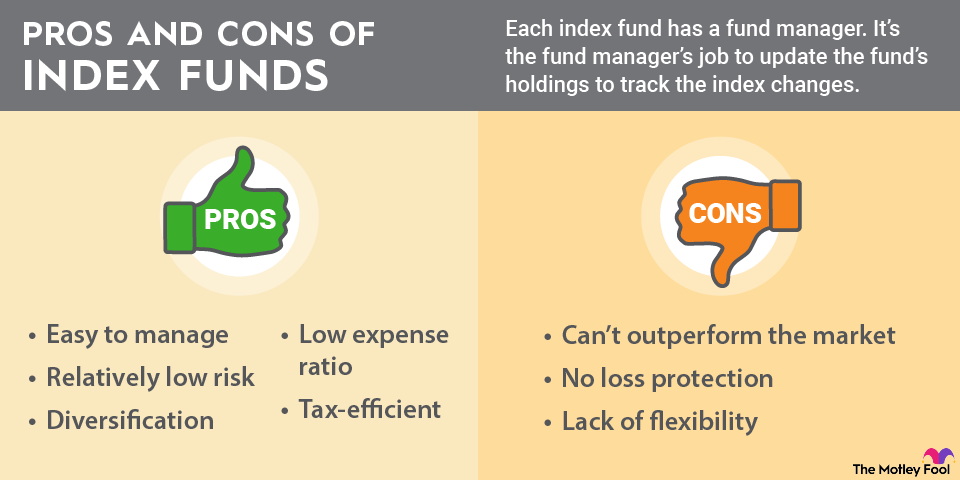
Index funds are similar to ETFs but usually purchased through a broker or retirement plan. They track major market indexes such as the S&P 500.
Why This Matters
Index funds are known for stability, simplicity, and extremely low fees. For beginners comparing stocks vs ETFs vs index funds, index funds often provide the smoothest long-term experience.
How to Fix It
Choose index funds if:
- You want hands-off investing
- You don’t want to check the market often
- You are focused on retirement or future wealth
Index funds are used by many millionaires because they require almost no maintenance.
4. stocks vs ETFs vs index funds: The Core Differences Explained
When choosing between stocks vs ETFs vs index funds, it’s essential to understand their differences.
Why This Matters
The right investment depends on your comfort with risk, how much time you want to spend, and your goals.
How to Fix It — Quick Comparison Table
| Feature | Stocks | ETFs | Index Funds |
|---|---|---|---|
| Risk | High | Medium-Low | Low |
| Diversification | Low | High | High |
| Fees | Usually none | Low | Very low |
| Management | Hard | Easy | Easiest |
| Best For | Advanced investors | Most beginners | Long-term beginners |
Index funds win for simplicity. ETFs win for flexibility. Stocks win for potential high returns.
5. Which Is Best for Beginners? ETFs or Index Funds?

Beginners comparing stocks vs ETFs vs index funds often ask which one is safest. While stocks carry high risk, ETFs and index funds offer strong protection.
Why This Matters
If you’re new, you want stability—not stress.
How to Fix It
Best choices:
- Index Funds → safest, lowest fees
- ETFs → very safe, very diversified
- Stocks → best left for later when you have experience
ETFs and index funds allow beginners to grow wealth steadily without learning complex strategies.
6. Risk Comparison: Which Option Protects You Most?
Risk is one of the biggest concerns beginners have when comparing stocks vs ETFs vs index funds.
Why This Matters
Your comfort with risk determines which investment type fits you.
How to Fix It — Risk Ranking
- Index Funds → Least risky
- ETFs → Low-medium risk
- Stocks → High risk
If you dislike volatility, index funds and ETFs will feel much safer.
7. Returns Comparison: Which Grows the Most?

New investors often assume stocks always provide the highest return. But long-term data tells a more realistic story in the stocks vs ETFs vs index funds comparison.
Why This Matters
Returns are what grow your wealth.
How to Fix It — Return Expectations
- Index Funds & ETFs → Consistent 8–10% annually
- Stocks → 0% to 10,000% (very unpredictable)
Surprisingly, most beginners do better with diversified funds—not individual stocks.
8. Fee Comparison: The Hidden Cost Most Beginners Ignore
Fees may seem small, but they dramatically affect long-term returns.
Why This Matters
Choosing low-fee investments is one of the easiest ways to increase your wealth.
How to Fix It — Lowest to Highest Fees
- Index Funds → as low as 0.02%
- ETFs → often 0.03%–0.20%
- Stocks → no fees, but higher risk
This is why fee-conscious investors prefer index funds and ETFs in the stocks vs ETFs vs index funds debate.
9. Time Commitment Comparison
Why This Matters
Beginners may not want to actively manage their investments daily.
How to Fix It
- Stocks → require research and monitoring
- ETFs → occasional check-ins
- Index Funds → set it and forget it
For beginner lifestyles, index funds provide the easiest experience.
10. Diversification: Why It Matters in Long-Term Investing
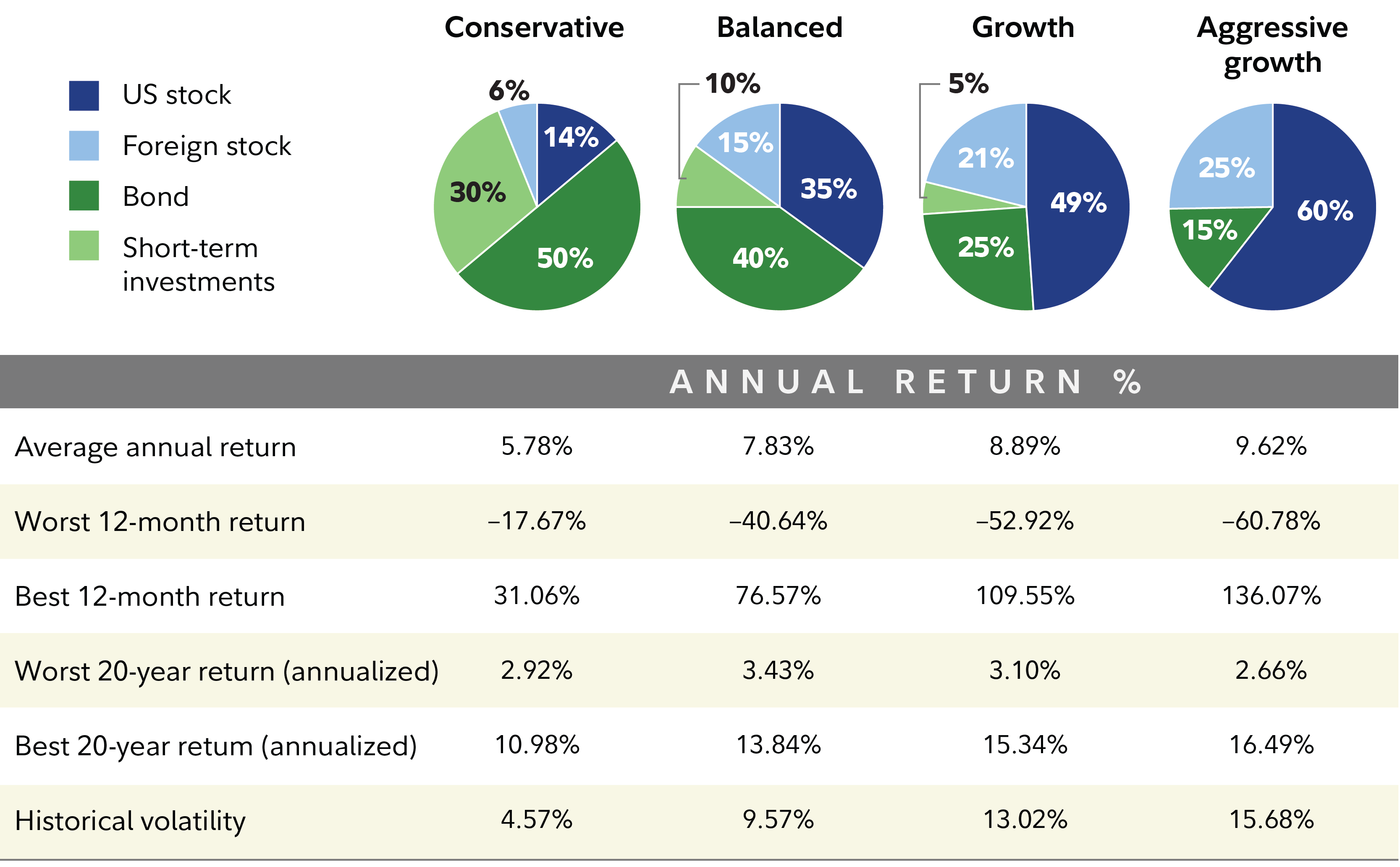
Diversification spreads your risk across many companies.
Why This Matters
It protects you from catastrophic losses.
How to Fix It
Diversification levels:
- Stocks → low
- ETFs → high
- Index Funds → very high
This is one of the biggest reasons ETFs and index funds outperform individual stocks for beginners comparing stocks vs ETFs vs index funds.
11. Accessibility: Which Is Easiest to Buy?

Why This Matters
You should be able to buy your investment easily and consistently.
How to Fix It
- Stocks → available everywhere
- ETFs → available nearly everywhere
- Index Funds → sometimes broker-specific
If you prefer convenience, ETFs are the easiest and fastest to buy.
12. Best Long-Term Strategy for Beginners
Why This Matters
Your long-term strategy determines whether you reach financial freedom.
How to Fix It
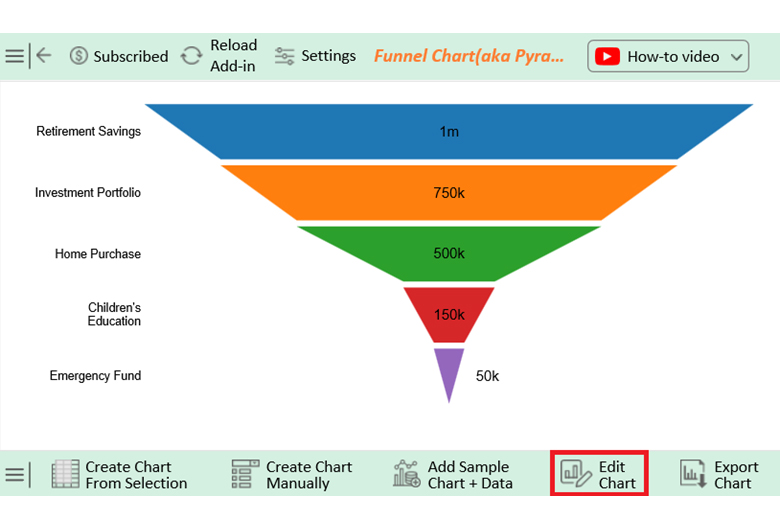
Most beginners thrive with:
- 80–100% index funds or ETFs
- 0–20% stocks for learning
This keeps your portfolio safe while still growing consistently.
This entire strategy is built around understanding stocks vs ETFs vs index funds and choosing the combination that matches your goals.
FAQ
1. Which is best for beginners: stocks, ETFs, or index funds?
ETFs and index funds are best because they’re diversified and low-risk.
2. Are index funds safer than stocks?
Yes, they’re more stable and spread across many companies.
3. Can ETFs lose money?
Yes, but usually less than individual stocks.
4. Do index funds require large amounts to start?
No—many allow investing with as little as $1.
5. Are stocks better for short-term trading?
Yes, but they are much riskier and not beginner-friendly.
6. Are ETFs good for long-term investing?
Absolutely—ETFs provide growth, stability, and low fees.
7. How many index funds should a beginner own?
1–2 funds are enough for full diversification.
8. Are dividends better in ETFs or stocks?
Dividend ETFs offer more consistent payouts.
9. Do ETFs have hidden fees?
No, their expense ratios are transparent and low.
10. Should beginners avoid crypto when learning stocks vs ETFs vs index funds?
Yes—start with traditional assets before exploring complex ones.
Call to Action
Begin your financial journey today—don’t wait for the “perfect moment.” Understanding stocks vs ETFs vs index funds gives you a strong foundation, but taking action is what builds wealth.
👉 Learn more about Vanguard
👉 Explore our detailed Beginner Investing Hub:

Conclusion
Choosing between stocks vs ETFs vs index funds doesn’t have to feel confusing. Stocks offer high potential but require experience and carry more risk. ETFs provide great diversification and flexibility. Index funds deliver long-term stability and ultra-low fees. For beginners, ETFs and index funds are usually the smartest and safest choices. No matter where you start, consistent investing is the real path to financial growth. Begin today—your future self will thank you.