
Saving money often feels hard when you’re just starting out.
Many beginners think they must give up comfort, fun, or small everyday joys just to save a small amount.
Because of this belief, saving money can feel stressful, restrictive, and even discouraging.
In reality, most people don’t fail at saving because they earn too little—they fail because the advice feels unrealistic.
This post explains simple, realistic saving money tips that fit into normal life, helping you save consistently without extreme sacrifice or complicated rules.
Why These Saving Money Tips Don’t Have to Be Extreme
Many beginners believe saving money means cutting everything enjoyable from their life. This idea often comes from extreme advice that focuses only on spending less, no matter how uncomfortable it feels.
Extreme frugality is about constant sacrifice—never eating out, avoiding all fun, and feeling guilty about every purchase. This approach usually fails because it’s too hard to maintain long term.
Smart saving, on the other hand, focuses on balance. You save consistently while still living a normal life. You don’t eliminate all spending—you choose what actually matters and reduce what doesn’t.
Realistic saving in daily life looks like:
- Saving a small amount automatically each month
- Spending mindfully instead of emotionally
- Cutting unnecessary costs, not meaningful ones
This approach works because it’s sustainable. You can stick with it without feeling deprived or overwhelmed.
Tip 1 — Pay Yourself First
What “Pay Yourself First” Means
“Pay yourself first” means saving money before you spend it on anything else.
Instead of saving whatever is left at the end of the month, you move a small amount to savings as soon as you get paid.
This is one of the simplest and most effective saving habits for beginners because it removes guesswork and self-control from the process.
Real-Life Example
You receive your salary at the beginning of the month.
On the same day, a fixed amount—say $50 or $100—is automatically moved to your savings account.
You then use the remaining money for bills, food, and daily expenses.
Because the savings happen first, you naturally adjust your spending to what’s left—without feeling like you’re constantly trying to “save harder.”
Tip 2 — Track Your Spending for 30 Days Only
Why Just 30 Days Is Enough
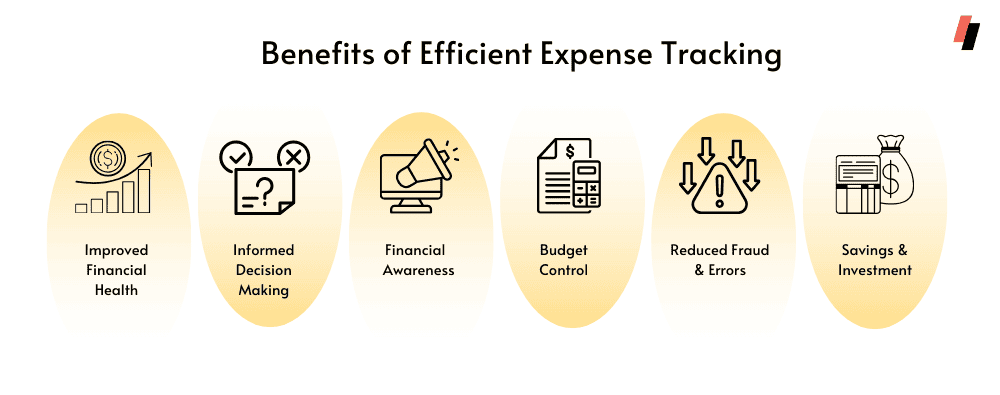
You don’t need to track your spending forever to improve your finances. One focused month is enough to understand where your money actually goes.
The goal is awareness, not perfection.
Most beginners are surprised to see how small, everyday expenses add up. Once you see these patterns clearly, your spending often improves naturally—without forcing strict rules.
Simple Way to Do It
Keep it as simple as possible. Choose one method and stick to it for 30 days:
- Write expenses in a notes app
- Use a small notebook and pen
- Track spending in a basic spreadsheet
Record what you spend and on what—no categories or calculations required. The habit of noticing is more important than the format.
Tip 3 — Use the 24-Hour Rule for Buying Things
What the 24-Hour Rule Is
The 24-hour rule means waiting one full day before buying anything that is not essential.
Instead of purchasing immediately, you pause and give yourself time to think.
This short delay helps you separate real needs from impulse wants. In many cases, the urge to buy fades on its own.
Example of an Impulse Purchase
Imagine you see a jacket online or a new gadget on sale. It looks exciting, and the “limited offer” creates pressure to buy now.
Instead of checking out immediately, you wait 24 hours.
The next day, you often realize you don’t truly need it—or you find a cheaper option. This simple pause can prevent many unnecessary purchases without feeling restrictive.
Tip 4 — Focus on Big Expenses First
Why Small Cuts Don’t Matter Much
Many people try to save money by cutting small daily expenses, like coffee or snacks. While this can help a little, it rarely makes a meaningful difference.
Big expenses—such as rent, internet, or monthly subscriptions—take up a much larger part of your income. Reducing just one of these can save more money than dozens of small sacrifices.
Examples of Big Expenses to Review
Start by reviewing the costs that impact your budget the most:
- Phone plan: Are you paying for data or features you don’t use?
- Internet: Check if a cheaper plan would still meet your needs.
- Insurance: Compare offers or review coverage once a year.
- Subscriptions: Cancel anything you no longer use or enjoy.
Focusing on big expenses leads to noticeable savings without constantly feeling deprived.
Tip 5 — Use Simple Spending Categories
What Spending Categories Are
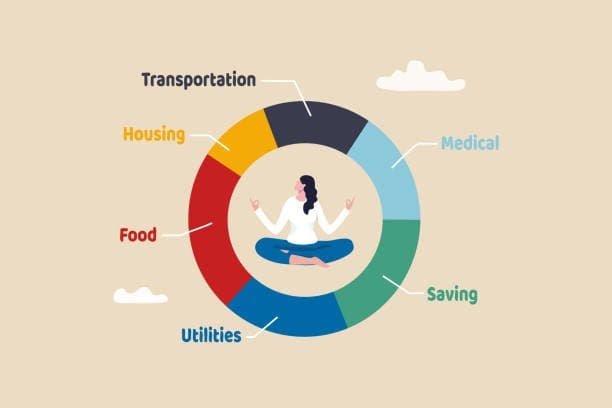
Spending categories are a simple way to understand where your money goes.
You don’t need complex budgets, apps, or detailed tracking to use them.
Instead of controlling every expense, categories help you guide your spending in a flexible and realistic way.
Example of 3 Basic Categories
You only need three categories to get started:
- Essentials: Rent, food, utilities, transportation
- Wants: Eating out, entertainment, shopping
- Savings: Emergency fund, future goals
This structure keeps things clear and balanced. You can enjoy spending while still saving—without strict rules or constant tracking.
Tip 6 — Set a Small, Clear Savings Goal
Why Vague Goals Don’t Work
Goals like “save more money” sound good but don’t lead to action. They are too unclear, so it’s easy to delay or ignore them.
Without a specific target, saving feels optional instead of purposeful.
Clear goals give your saving a reason and a direction. When you know exactly what you’re saving for, it becomes easier to stay consistent.
Beginner-Friendly Goal Examples
Start with simple and achievable goals:
- Emergency fund: Save a small amount, such as one month of basic expenses, for unexpected situations.
- Short-term goal: Saving for a trip, a new phone, or a home expense within the next 6–12 months.
Small, clear goals build confidence and make saving feel rewarding instead of overwhelming.
Tip 7 — Increase Savings When Income Increases
What Lifestyle Inflation Is
Lifestyle inflation happens when your spending increases every time your income increases.
When you earn more, you slowly upgrade your lifestyle—better clothes, more eating out, or new subscriptions—without noticing.
As a result, you earn more but don’t save more. This is very common and easy to fall into.
Easy Rule to Follow
A simple rule is to save part of every raise or bonus you receive.
For example, if your income increases, save a portion of it and enjoy the rest.
This way, your lifestyle can still improve, but your savings grow at the same time—without feeling restrictive.
Tip 8 — Make Saving Automatic and Boring
Why Automation Works Better Than Motivation
Motivation changes from day to day, but automatic systems keep working no matter how you feel.
When saving depends on willpower, it’s easy to skip or postpone it.
Automation removes decision-making. Once the system is set up, saving happens in the background without effort or stress.
Examples of Automation
You can make saving automatic in simple ways:
- Auto-transfer: Move a fixed amount to savings on payday.
- Separate savings account: Keep savings out of your daily spending account.
When saving becomes boring and automatic, it becomes consistent—and consistency is what makes saving work.
Conclusion
Saving money is not about having strong willpower or making perfect decisions every day. It’s about building simple systems that work for you, even when life gets busy or motivation is low. When saving depends only on discipline, it often fails. When saving is built into your routine, it becomes much easier to maintain.
Small, consistent actions are far more effective than extreme rules. You don’t need to cut all enjoyment from your life or follow strict budgets to make progress. Saving a little every month, avoiding unnecessary spending, and making smarter choices over time can lead to real results. These habits are sustainable because they fit into normal, everyday life.
The most important thing is consistency. Saving $50 regularly is better than saving $500 once and giving up afterward. Progress comes from repetition, not from doing everything perfectly.
If you want to start today, keep it simple. Choose just one action from this post. For example, set up a small automatic transfer to your savings account or track your spending for the next 30 days. Don’t try to apply all tips at once.
Saving money works best when it feels manageable and realistic. Start small, stay consistent, and let simple systems do the hard work for you over time.
If you’re just getting started, explore more beginner-friendly guides in our Saving Money section.