Discover the most common investing mistakes new investors make and learn how to avoid them with this clear, beginner-friendly guide full of practical advice.

Introduction
Learning how to invest is exciting, but it’s also easy to make simple errors that slow down your progress. Many of the biggest investing mistakes new investors make come from fear, lack of knowledge, or copying what others are doing. The good news? These mistakes are easy to avoid once you understand them.
This beginner-friendly guide explains the most common errors people make when starting their financial journey—and more importantly, how you can avoid them. Written in simple, Grade-7 language, this guide breaks everything down so you can invest with confidence and avoid costly setbacks.
Whether you’re just opening your first brokerage account or trying to improve your current strategy, these tips will help you stay safe, make smarter decisions, and grow your wealth steadily over time. Let’s dive into the mistakes that almost every beginner faces—and how to avoid them with ease.

1. Investing Without a Plan

Why This Matters
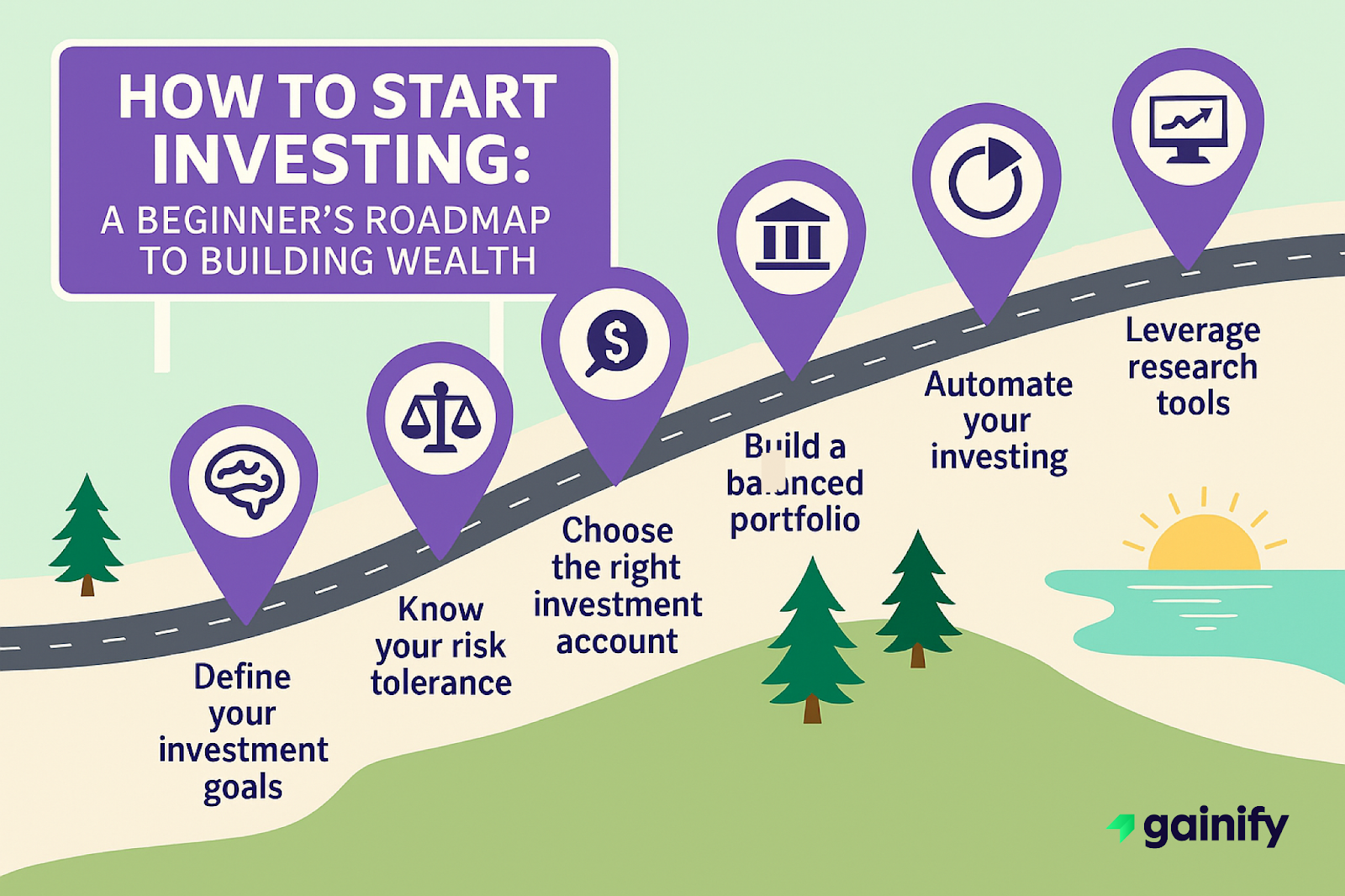
One of the most common investing mistakes new investors make is jumping into the market without a clear goal. Without a plan, it’s easy to panic during downturns or chase risky trends. A plan protects your emotions and gives your investments purpose.
How to Fix It
Create a simple plan by answering:
- Why are you investing? (retirement, savings, income, etc.)
- How long will you invest?
- How much can you invest monthly?
- How much risk can you handle?
With a clear plan, you’ll avoid emotional decisions and stay focused on long-term results.
2. Trying to Time the Market

Why This Matters
Many beginners think they must “buy low, sell high.” But timing the market is nearly impossible—even for experts. This is one of the biggest investing mistakes new investors make, often leading to buying at the top and selling at the bottom.
How to Fix It
Instead of timing the market:
- Use dollar-cost averaging (invest a set amount regularly)
- Avoid watching daily price changes
- Focus on long-term growth
Consistency beats timing every time.
3. Putting All Money Into One Stock

Why This Matters
Relying on just one stock seems simple, but it’s extremely risky. If the company fails, your investment disappears. This is one of the riskiest investing mistakes new investors make because beginners often follow hype.
How to Fix It
Spread your investments across:
- ETFs
- Index funds
- Multiple industries
Diversification protects your money and reduces risk dramatically.
4. Following Social Media “Experts”
Why This Matters
TikTok, Reddit, and YouTube are full of influencers giving risky or unverified advice. Trusting them is one of the most dangerous investing mistakes new investors make, leading to losses and bad decisions.
How to Fix It
Always:
- Research investments yourself
- Verify with reputable sources
- Follow long-term strategies—not hype
Good investing is boring, not viral.
5. Ignoring Diversification
Why This Matters
Diversification spreads risk. Without it, beginners expose themselves to big losses. Ignoring diversification is one of the easiest investing mistakes new investors make, especially when following trends.
How to Fix It
A diversified beginner portfolio might include:
- 60% ETFs
- 20% index funds
- 20% cash or bonds
This protects you even during market drops.
6. Letting Emotions Control Decisions
Why This Matters
Fear and excitement cause panic selling and reckless buying. Emotional decisions are among the most common investing mistakes new investors make, especially during market dips.
How to Fix It
Train yourself to:
- Stick to your plan
- Avoid checking your portfolio daily
- View dips as normal
Emotions and investing never mix well.
7. Not Understanding Risk Tolerance
Why This Matters
Every investor has a different comfort level with risk. Ignoring this is one of the biggest investing mistakes new investors make, causing unnecessary stress.
How to Fix It
Ask yourself:
- “How would I react to a 20% drop?”
- “Can I wait 5–10 years?”
Choose investments that match your emotional comfort, not someone else’s.
8. Overchecking the Portfolio
Why This Matters
Constantly checking your portfolio leads to stress, emotional decisions, and unnecessary trades. It’s one of the most repeated investing mistakes new investors make.
How to Fix It
Check your portfolio:
- Once a week
- Or once a month
Let your investments grow without interference.
9. Ignoring Fees
Why This Matters
High fees quietly destroy your long-term returns. Not checking the expense ratio of ETFs or funds is a silent but serious investing mistakes new investors make.
How to Fix It
Choose:
- ETFs with fees under 0.20%
- Index funds with fees under 0.10%
Lower fees mean more money stays in your pocket.
10. Investing Money Needed Soon
Why This Matters
Investing money you need within a year is extremely risky. Market drops can happen anytime. This is a common investing mistakes new investors make when they underestimate volatility.
How to Fix It
Money you need soon should be kept in:
- High-yield savings
- Emergency funds
- Short-term bonds
Invest only long-term money.
11. Chasing Quick Riches
Why This Matters
New investors often dream of doubling their money in days. This mindset is one of the most damaging investing mistakes new investors make, leading to scams and massive losses.
How to Fix It
Good investing:
- Takes time
- Requires patience
- Focuses on steady growth
Fast results = high risk.
12. Not Starting Early Enough
Why This Matters
Waiting too long to invest is one of the most regretful investing mistakes new investors make. Time is your most powerful wealth-building tool.
How to Fix It
Start with:
- $5
- $20
- $50
Small amounts now > large amounts later.
FAQ


1. What are the most common investing mistakes new investors make?
Some common errors include emotional investing, chasing hype, ignoring fees, and lack of diversification.
2. How can beginners avoid investing mistakes?
Start with simple strategies like ETFs, long-term planning, and automatic investments.
3. Is it risky to invest in only one stock?
Yes—this is one of the most dangerous investing mistakes new investors make because it exposes you to total loss.
4. Should beginners try to time the market?
No. Market timing rarely works and leads to poor decisions.
5. How often should I check my portfolio?
Once a week or once a month is ideal.
6. Why are fees important?
High fees reduce your long-term gains significantly.
7. Can I invest with little money?
Yes, fractional shares allow you to start with $1–$5.
8. Should beginners use social media for advice?
No. Always verify with reliable sources.
9. How much diversification is enough?
ETFs and index funds provide sufficient diversification for beginners.
10. What is the safest way to avoid mistakes?
Follow a long-term plan and stay disciplined.
Call to Action
Investing is one of the best ways to build wealth—but only if you avoid the biggest investing mistakes new investors make. Start today with a simple plan, choose safe investments, and commit to long-term growth. Every day you wait is a day your money could be growing.
👉 Learn more at Mistakes
👉 Explore our Beginner Investing Guide


Conclusion
Avoiding the most common investing mistakes new investors make will instantly make you a smarter, more confident investor. Focus on diversification, low fees, emotional control, good planning, and long-term thinking. Investing doesn’t have to be complicated—small, consistent steps will grow into long-term financial success. Start now, learn as you go, and stay patient. Your future self will be grateful.