Learn how to start investing with small amounts. This beginner’s guide explains how to grow money safely with $5, $50, or $500 using simple strategies.
Introduction
Learning how to start investing can feel confusing when you’re new to the financial world. But the truth is that investing is simply the process of helping your money grow over time. You don’t need to be rich, experienced, or “good at math.” You only need a clear plan, small amounts of money, and the willingness to start today.
This beginner-friendly guide breaks everything down in simple language, using step-by-step examples you can follow instantly. You’ll learn how to invest safely with any amount—starting from just $5, moving up to $50, and finally to $500. You will understand the best tools, strategies, and mistakes to avoid, even if you’ve never invested before.
By the time you finish reading, you’ll have a practical beginner investing plan you can start immediately.
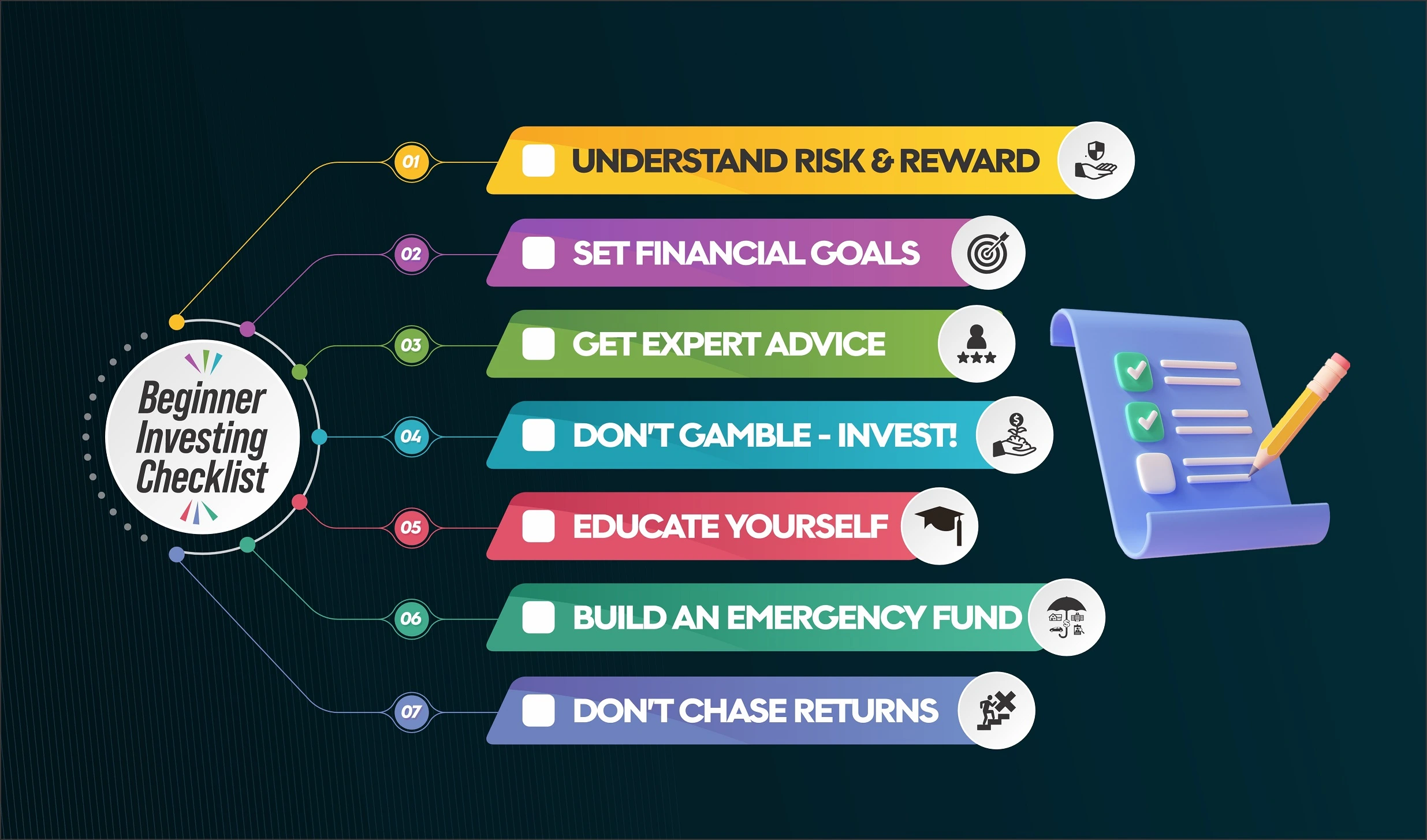
1. What Does Investing Actually Mean? (Simple Explanation for Beginners)

Investing means putting your money in places where it can grow. Instead of sitting in a bank account earning almost nothing, your money works for you by increasing in value over time.
Why This Matters
Understanding the real definition of investing removes fear. When beginners realize that investing is simply owning pieces of companies or assets, they feel more confident about starting—especially with small amounts.
How to Fix It (Beginner Understanding)
Think of investing this way:
- You buy a small piece of something valuable.
- Over time, that thing increases in value.
- You earn money without physically working.
Common types of investments:
- Stocks — ownership in a company
- ETFs — bundles of many stocks (safer for beginners)
- Bonds — lending money to governments or corporations
- Real estate — property ownership
- Crypto — digital assets (higher risk)
The best part? Technology now allows anyone to start investing with just a few dollars.
2. Why You Don’t Need a Lot of Money to Begin

Many people believe you need $500 or $1,000 to start investing. That used to be true years ago—but not anymore. Today’s investing apps allow you to buy fractional shares, which means you can invest with the exact amount you have, even if it’s just $1 or $5.
Why This Matters
Most beginners delay investing because they think they’re “too broke” to start. This mindset stops people from building wealth early—and time is the biggest factor in investing success. Time to learn how to start investing.
How to Fix It
Start small and use:
- Fractional shares
- Micro-investing apps
- ETFs instead of individual stocks
- Automatic recurring investments
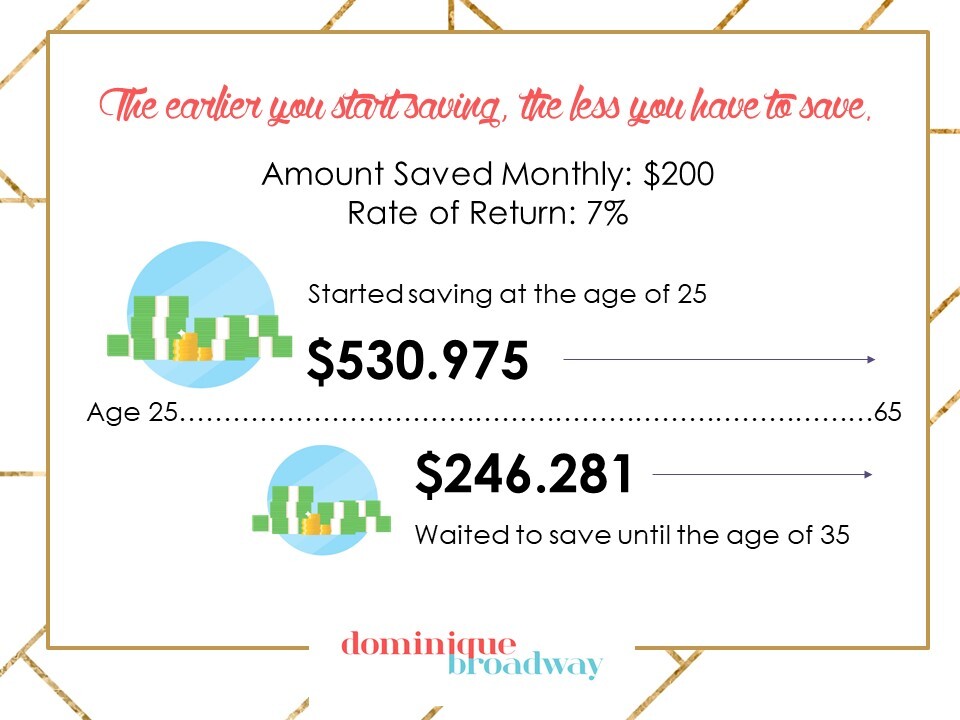
Even $10 weekly becomes over $15,000 in 10 years at an 8% annual return.
You don’t wait until you’re rich to invest.
You invest to become rich.
3. How to Start Investing With Just $5
Investing with $5 is absolutely possible, thanks to fractional shares and micro-investing platforms. With such a small amount, your goal is not to get rich fast—it’s to build the habit and learn the basics.
Why This Matters
$5 invests you into the mindset of long-term growth. You learn:
- How to place orders
- How portfolios work
- How markets fluctuate
- How to build confidence
Creating the habit is MORE valuable than the $5 itself.
How to Fix It (Action Plan)
With $5:
- Buy a fractional share of a popular ETF like VOO or VTI
- Use apps like Robinhood, Webull, or Stash
- Set up automatic weekly $5 contributions
- Avoid risky options or crypto at this stage
A beginner-friendly $5 investment:
→ $5 into an S&P 500 ETF fractional share
That alone gets you invested in 500 major US companies instantly.
4. How to Start Investing With $50

With $50, you can start building a tiny but diversified portfolio. This is the point where you can add different types of investments and begin shaping your long-term strategy.
Why This Matters
You now have enough money to:
- Spread risk
- Try multiple assets
- Learn portfolio balancing
- Build consistency
$50 monthly becomes $10,000+ in 12 years at average market returns.
How to Fix It (Beginner Portfolio Example)
A smart $50 plan:
- $30 into S&P 500 ETF
- $10 into a dividend ETF
- $10 into a total market ETF
This gives you growth, stability, and dividends.
Avoid at this stage:
- Day trading
- Meme stocks
- High-risk crypto
- NFTs
- Options trading
Slow, safe, consistent investing wins.
5. How to Start Investing With $500
$500 is enough to build a real beginner portfolio with multiple assets. At this level, you can create a structured long-term plan while keeping risk low.
Why This Matters
With $500, you unlock:
- True diversification
- A balanced investment strategy
- Freedom to experiment safely
- Larger long-term gains
You don’t need thousands to begin building wealth.
How to Fix It (Portfolio Breakdown)
Recommended $500 allocation:
- $250 — S&P 500 ETF
- $100 — Total market ETF
- $50 — Bonds or treasury bills
- $50 — Dividend ETF
- $50 — Optional: sector ETF (technology, energy, etc.)
This mix balances safety and growth while exposing you to different types of investments.
6. Why ETFs Are the Best Choice for Beginners
ETFs (Exchange-Traded Funds) are baskets of many stocks grouped together. They are safer than individual stocks and perfect for beginners because they require little research.
Why This Matters
Most beginners lose money picking individual stocks. ETFs reduce risk because they diversify your money across dozens—or even thousands—of companies.
How to Fix It (Choose Simple ETFs)
The best beginner ETFs:
- VOO — S&P 500
- VTI — Total US Market
- QQQ — Top 100 tech companies
- SCHD — Dividend ETF
With ETFs, you don’t need to pick winners.
The market itself grows your wealth.
7. Building Your First Beginner Portfolio


Your first portfolio should be boring, simple, and stable. Flashy investments usually fail beginners.
Why This Matters
A well-built portfolio protects your money and grows steadily over time.
How to Fix It (Easy Portfolio Example)
A simple beginner portfolio:
- 60% in S&P 500 ETF
- 20% in total market ETF
- 10% in dividend ETF
- 10% in bonds or cash
As you learn more, you can adjust later—but this is a strong starting point.
8. The Biggest Mistakes Beginners Make (And How to Avoid Them)
Most investment losses come from emotional decisions, not from the market itself.
Why This Matters
Avoiding common mistakes can save you years of frustration and thousands of dollars and teaches how to start investing.
How to Fix It
Avoid these mistakes:
- Panic-selling during dips
- Following TikTok or Reddit hype
- Putting all money into one stock
- Investing money you need soon
- Checking your portfolio every hour
- Buying high and selling low
Successful investing = patience + consistency.
9. Understanding Risk in a Beginner-Friendly Way

Risk is not the same as danger. Risk simply means the value of your investments can go up and down.
Why This Matters
When you understand risk, you make smarter choices and avoid emotional mistakes.
How to Fix It (Know Your Style)
Your risk level depends on:
- Age
- Income stability
- Emergency savings
- Financial goals
- Emotional tolerance
General rule:
- Younger: take more risk
- Older: be more conservative
10. The Best Apps to Start Investing Today
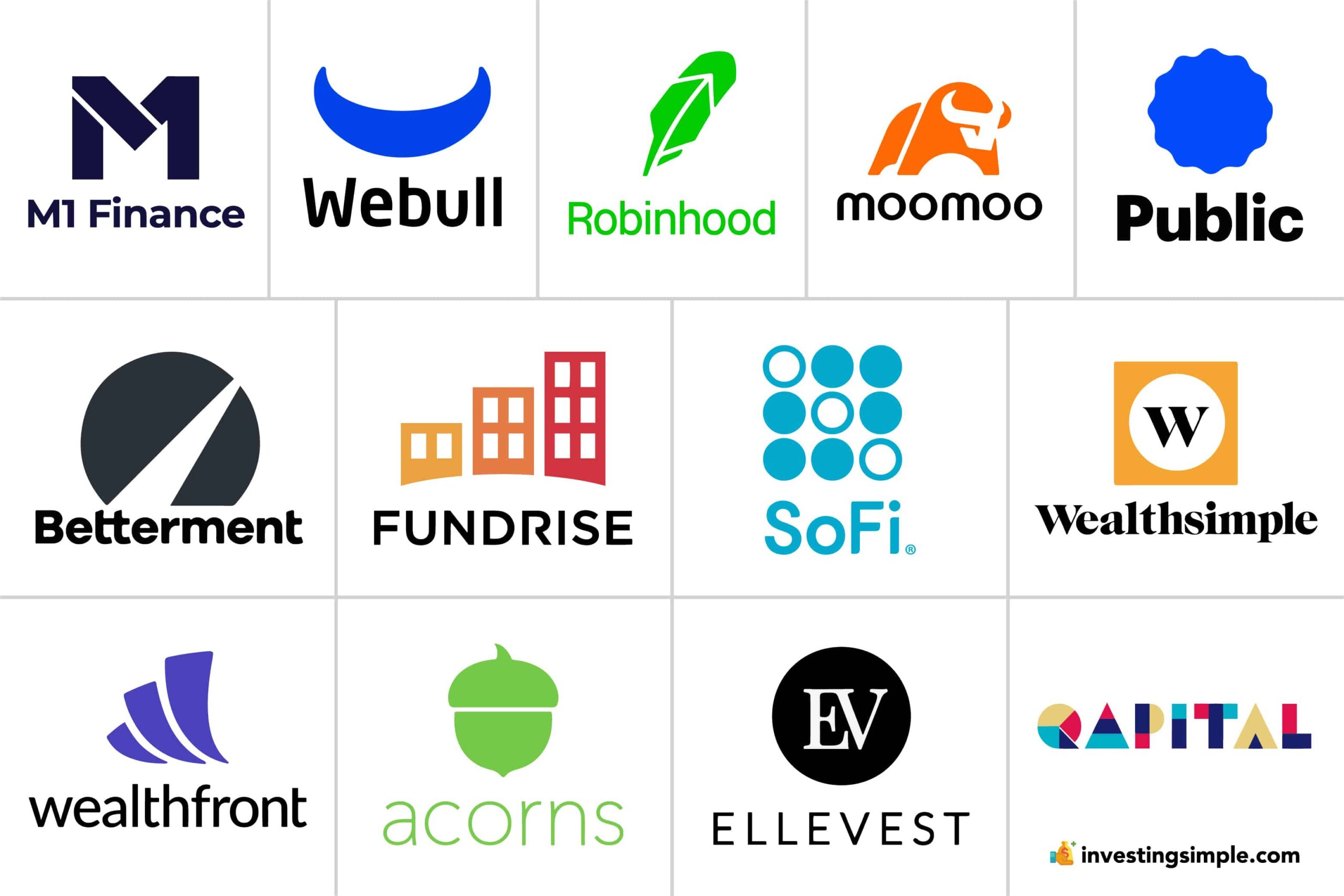
Choosing the right app makes investing easy, safe, and automatic.
Why This Matters
A good app:
- Lowers fees
- Allows fractional shares
- Makes auto-investing simple
- Protects beginners from mistakes
How to Fix It (Recommended Apps)
Best beginner-friendly apps:
- Robinhood
- Fidelity
- Webull
- eToro
- Revolut
- Stash
- Acorns (micro-investing)
Pick one and start small today.
11. How to Stay Consistent (The Real Secret to Becoming Wealthy)

Consistency matters more than the amount you invest. Even a small weekly contribution grows into a large portfolio over time.
Why This Matters
This is where average people become wealthy. Not through luck, but consistency.
How to Fix It
Use:
- Automatic investments
- Weekly or monthly deposits
- Long-term thinking
Consistency turns small investments into life-changing money.
12. When and How to Increase Your Investment Amount Over Time
Why This Matters
As your confidence and income grow, increasing the amount you invest accelerates your financial progress.
How to Fix It
Increase investing only after:
- You have an emergency fund
- High-interest debts are paid
- Your income is stable
Then scale your investments slowly:
- Increase by $10–$20 monthly
- Add new ETFs
- Rebalance twice a year
Small gradual increases lead to big long-term results.
FAQ
1. Can I start investing with no experience?
Yes. Learning how to start investing is easier than ever thanks to fractional shares and beginner-friendly apps.
2. Is $5 enough to invest?
Absolutely. With fractional investing, $5 is enough to buy small pieces of ETFs or stocks.
3. What should beginners invest in?
ETFs like VOO or VTI are the safest and simplest choices.
4. How often should I invest?
Weekly or monthly investing works best, especially with auto-invest.
5. Is investing risky?
All investing has risk, but ETFs reduce risk significantly for beginners.
6. How much money do I need to start?
You can start with any amount—even $1.
7. Should beginners avoid crypto?
Yes, until you understand stocks, ETFs, and risk management.
8. Can I lose money investing?
Yes, but long-term investing reduces short-term losses.
9. How long should I hold investments?
5+ years is ideal for steady growth.
10. Should I pick individual stocks?
Not as a beginner. ETFs are much safer.
Call to Action
Take action today—don’t wait for “the perfect moment.” Your first investment, even if it’s $5, is the step that changes everything. Start building your financial future now.
👉 External Resource: https://www.investopedia.com
👉 Internal Link: https://moneybasicshub.com/category/investing-basics
Conclusion
You now have everything you need to understand how to start investing with any amount. Whether it’s $5, $50, or $500, what matters most is beginning—starting today, starting small, and staying consistent. Investing is not about luck or timing. It’s about discipline, patience, and long-term thinking. Your future wealth begins with the small decisions you make right now.
1 thought on “How to Start Investing: Powerful Positive Guide to Begin With Just $5, $50, or $500”