Many people struggle not because of low income but because of Common Budgeting Mistakes That Keep You Broke without even realizing it.

Introduction
Money touches every part of life, yet most people are never taught how to handle it confidently. When budgeting feels stressful or confusing, it’s usually because small habits—often invisible ones—pull your money in many directions without your awareness. These small mistakes add up month after month and eventually leave you feeling stuck, behind on bills, or unsure where your paycheck went. Many people struggle not because of low income but because of Common Budgeting Mistakes That Keep You Broke without even realizing it.
Understanding these mistakes is the first step toward taking full control of your financial life. In this long, friendly, and easy-to-read guide, you’ll learn exactly what these mistakes look like, why they happen, and how to fix them in simple steps. Each section includes examples, clear actions, and helpful tips that fit real life—not complicated financial jargon.
If you’ve ever felt overwhelmed by money or frustrated that budgeting doesn’t seem to work for you, this guide will help you rebuild your confidence. Once you learn the Common Budgeting Mistakes That Keep You Broke, you’ll begin to make smarter choices, save more, stress less, and build a healthier financial future.
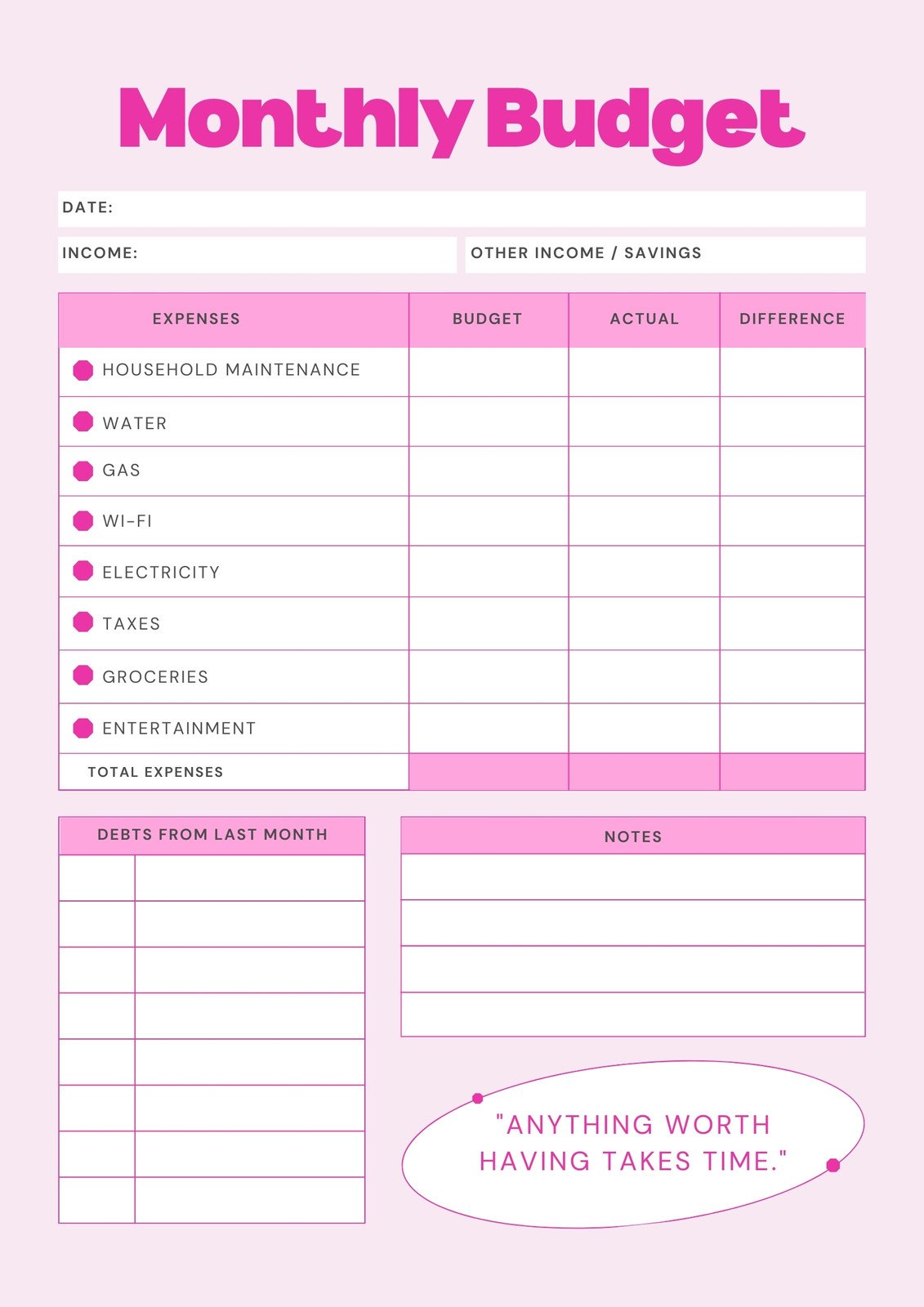
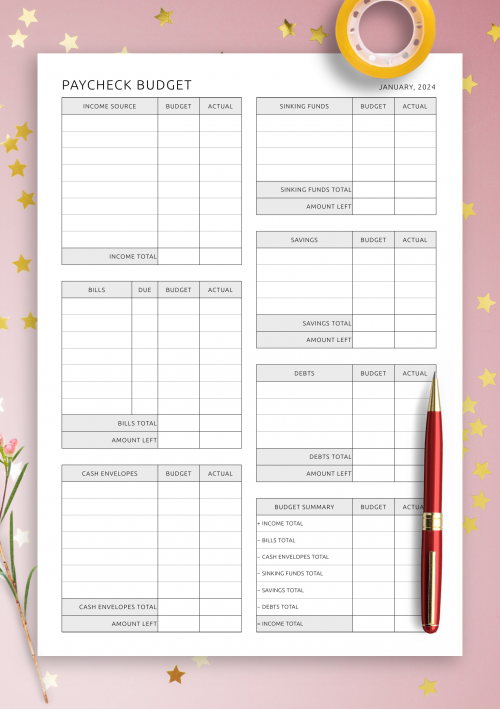
1. Not Tracking Your Spending
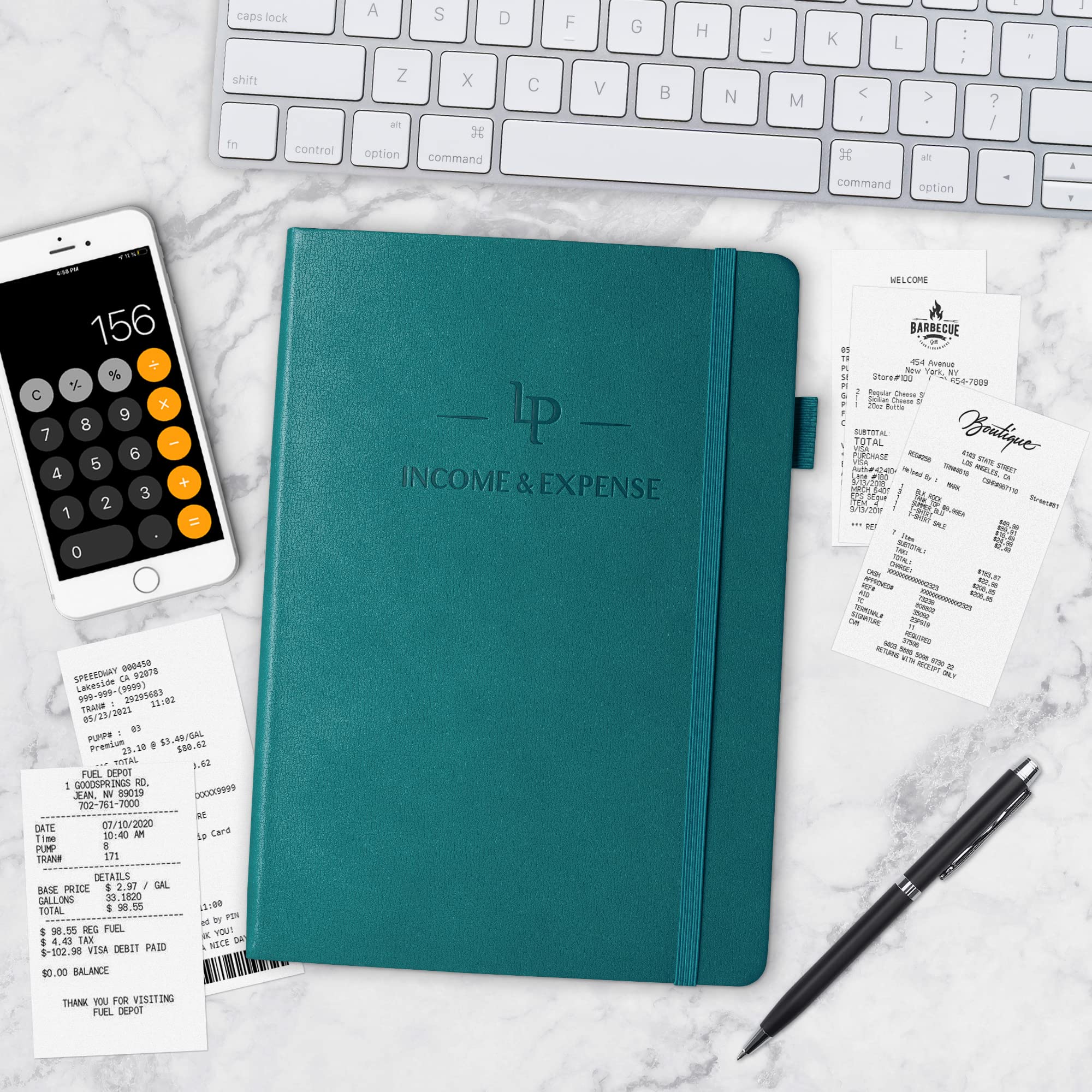
Why This Keeps You Broke
If you don’t know where your money is going, you can’t control where it should go. One of the biggest Common Budgeting Mistakes That Keep You Broke is assuming you “already know” your spending patterns. But science shows people underestimate daily spending by 20–60%. Tiny purchases—coffee, snacks, rideshares, subscriptions—slowly drain money without you noticing.
Not tracking leads to:
- Missing where your paycheck disappears
- Overspending in emotional moments
- Forgetting small automatic renewals
- Feeling confused or guilty at month-end
- Believing “I make enough, but I’m always broke”
If you don’t measure it, you can’t improve it.
How to Fix It
Choose one simple method and stick to it for 30 days:
- Use a budgeting app (Mint, YNAB, EveryDollar)
- Write in phone notes: “Coffee $4, Lunch $12”
- Weekly bank review: spend 10 minutes each Sunday
- Envelope method for spending categories
- Take pictures of receipts and review later
Tracking spending gives you clarity—the foundation for fixing all other Common Budgeting Mistakes That Keep You Broke.
2. Making an Unrealistic Budget

Why This Keeps You Broke
Many people build budgets based on their ideal life, not their real life. They cut grocery budgets in half, promise never to eat out again, or try to save more than they can reasonably handle. This creates pressure, guilt, and eventual failure.
Unrealistic budgets lead to:
- Feeling defeated quickly
- “Breaking” the budget and giving up
- Swinging between strict saving and overspending
- Ignoring real needs like social life, birthdays, or travel
This is another one of the most common Common Budgeting Mistakes That Keep You Broke because it destroys motivation.
How to Fix It
Build a realistic budget that reflects your life:
- Track your spending for 2–3 months.
- Use real numbers—not guesses.
- Apply the 50/30/20 rule as a starting point:
- 50% needs
- 30% wants
- 20% savings or debt
- Adjust gradually, not drastically.
- Leave a $50–$100 “flex buffer” for surprises.
A budget that fits your real life is the budget you’ll actually stick to.
3. Ignoring Small Daily Purchases

Why This Keeps You Broke
Small purchases feel harmless. A $5 drink or $3 snack doesn’t seem like a big deal—but multiply that by 30 days and suddenly you’ve spent $150–$300 without realizing it. People who struggle with Common Budgeting Mistakes That Keep You Broke often underestimate the power of tiny, repeated habits.
These purchases usually come from:
- Stress
- Boredom
- Routine
- Social pressure
- Convenience
- Emotional comfort
While each item is cheap, the habit is expensive.
How to Fix It
You don’t need to eliminate small joys—just control them.
- Set a weekly small-extras budget ($20–$40).
- Use cash for snacks, drinks, or cafés.
- Choose one treat day per week instead of daily stops.
- Track your top 3 frequent small purchases and cut them by 25%.
- Bring snacks or coffee from home to reduce impulse buys.
Small improvements create huge savings over time.
4. Not Having an Emergency Fund
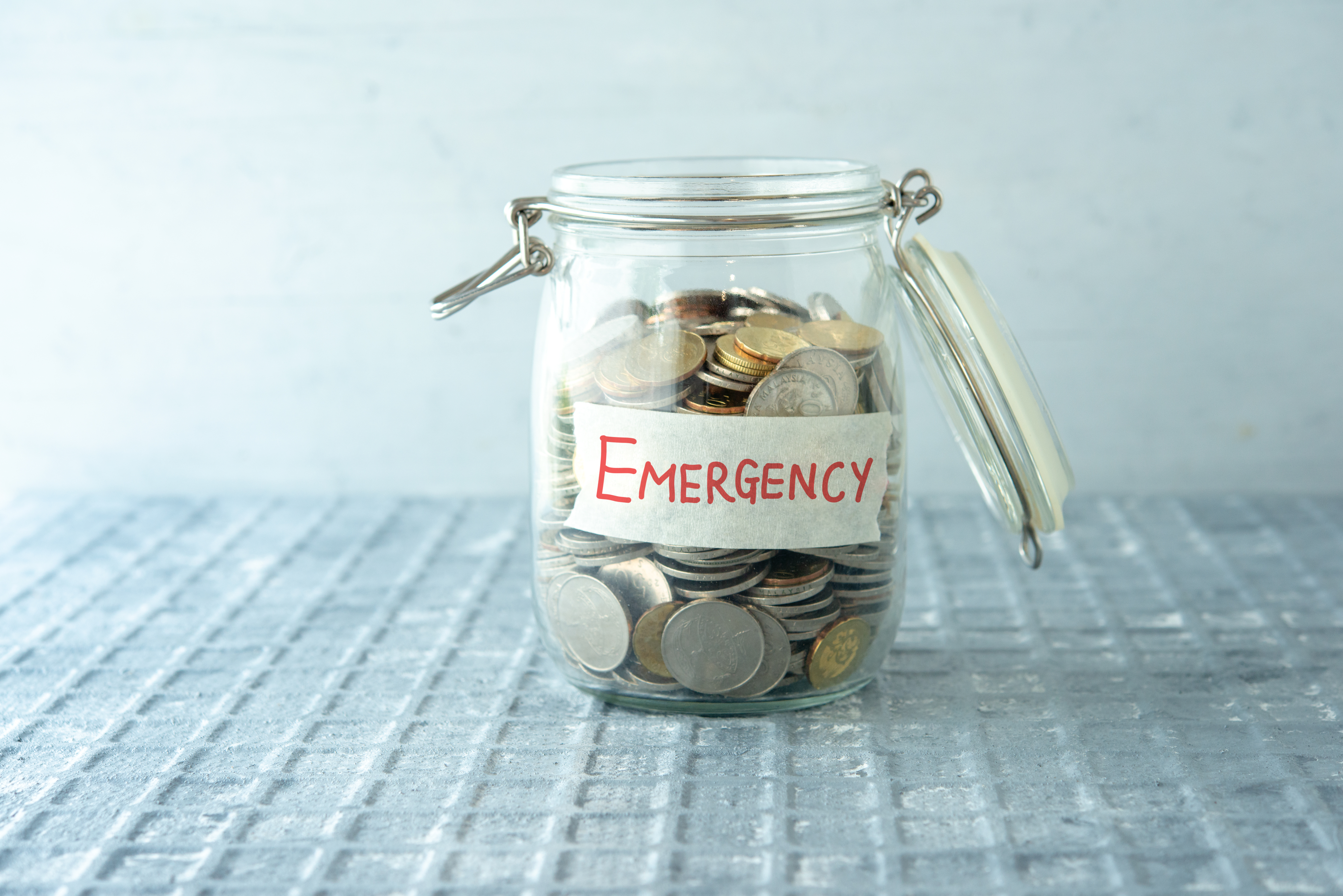
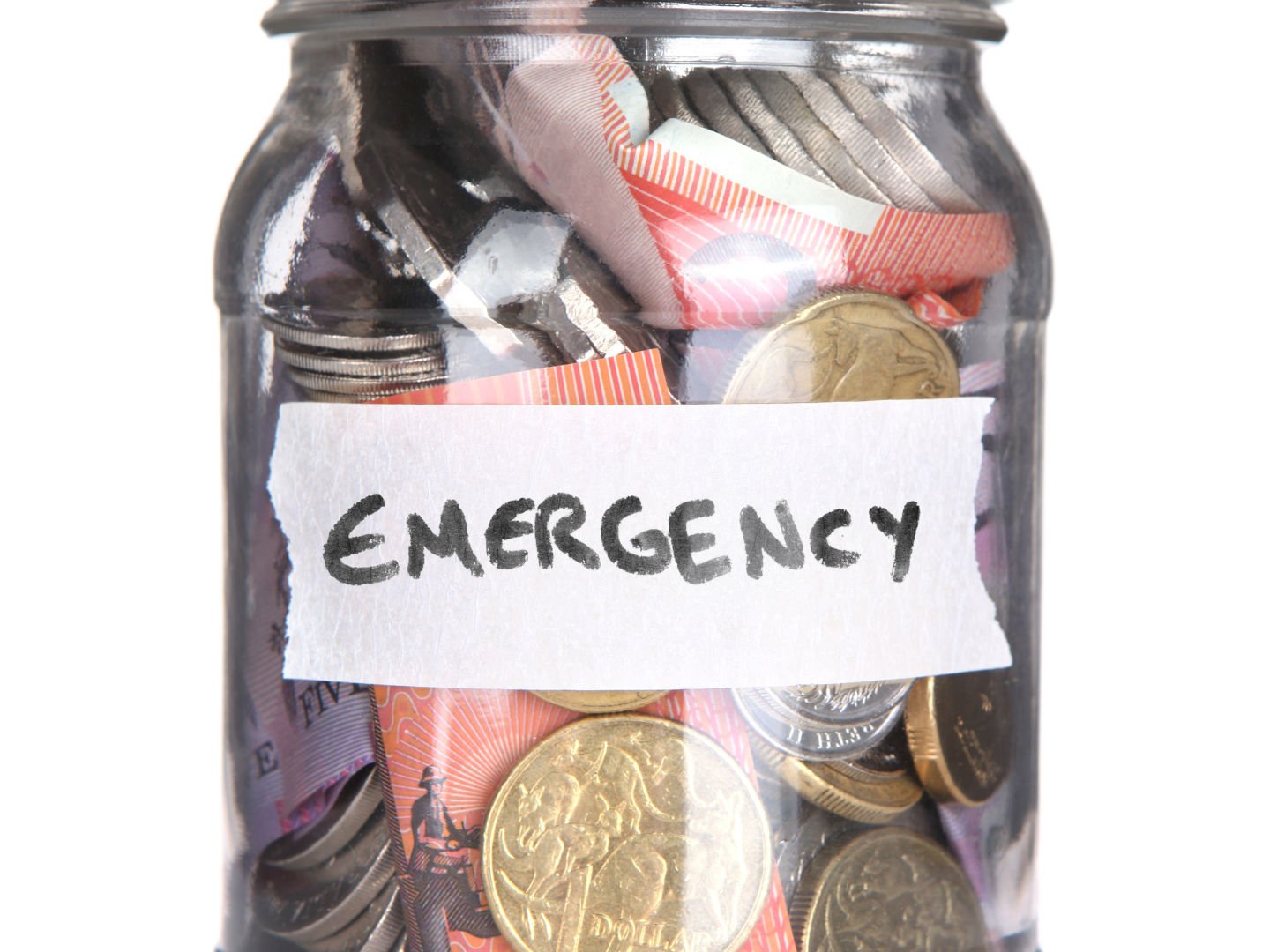
Why This Keeps You Broke
Life is full of surprises—car trouble, medical bills, job loss, vet visits, broken appliances. Without an emergency fund, these events turn into financial disasters. People then rely on:
- Credit cards
- Loans
- Payday lenders
- Borrowing from family
- Overdraft fees
This is one of the most damaging Common Budgeting Mistakes That Keep You Broke, because interest charges grow quickly and keep you trapped.
How to Fix It
Build your emergency fund in layers:
Step 1: Start with $250.
Step 2: Grow to $500–$1,000.
Step 3: Build toward 3–6 months of living expenses.
Use simple saving habits:
- Automatic transfers every payday
- Round-up apps that save spare change
- Saving tax refunds or bonuses
- Putting side-hustle income directly into savings
Emergency funds protect you from turning problems into debt.
5. Relying Too Much on Credit Cards


Why This Keeps You Broke
Credit cards remove the “pain” of spending, making it too easy to overspend. Many people swipe now and worry later. As balances grow, interest begins to build, trapping you in long-term debt.
This is one of the Common Budgeting Mistakes That Keep You Broke because credit cards often become a band-aid for poor budgeting habits.
Signs you rely too much on credit:
- Using cards for basic needs (gas, groceries)
- Paying only minimum payments
- Running out of money before payday
- Constantly transferring balances
- Using credit to “solve” problems
How to Fix It
You can still use credit cards—but with rules:
- Pay balances weekly, not monthly.
- Disable tap-to-pay for extra friction.
- Use only 1–2 cards with low limits.
- Use cards only for planned purchases.
- Track card purchases separately from your normal budget.
Credit should be a tool—not a lifeline.
6. Forgetting About Irregular and Annual Expenses

Why This Keeps You Broke
People remember monthly expenses but forget the once-a-year or once-in-a-while bills. When these pop up unexpectedly, they ruin your monthly plan and push you into debt or overdrafts.
Common forgotten expenses include:
- Insurance premiums
- Car registration
- Vet bills
- Holidays and birthdays
- Home repairs
- School supplies
- Medical checkups
- Travel costs
- Subscriptions that renew yearly
This is another major Common Budgeting Mistakes That Keep You Broke because these expenses feel like emergencies—even though they were predictable.
How to Fix It
Use sinking funds:
- List all non-monthly expenses.
- Add the total for the year.
- Divide by 12.
- Save that amount monthly into a separate account.
For example:
If yearly expenses total $1,200 → Save $100 per month.
Sinking funds turn financial “surprises” into planned payments.
7. Not Setting Clear Financial Goals


Why This Keeps You Broke
Another one of the Common Budgeting Mistakes That Keep You Broke is budgeting without a purpose. When you don’t know what you’re working toward, it’s easy to overspend or give up. Money becomes something you react to instead of something you control.
Without goals, budgeting feels boring, pointless, or frustrating.
How to Fix It
Use the SMART method:
- Specific: “Save $3,000 for emergencies.”
- Measurable: Track monthly progress.
- Achievable: Break into $250 per month.
- Relevant: Connect it to your stress relief.
- Time-bound: Finish in 12 months.
Set short-term, medium-term, and long-term goals:
- Short-term: Emergency fund, debt payoff
- Medium-term: Car, vacation, home upgrades
- Long-term: House, retirement, investing
Goals make your budget meaningful and motivating.
8. Shopping Without a List or Plan

Why This Keeps You Broke
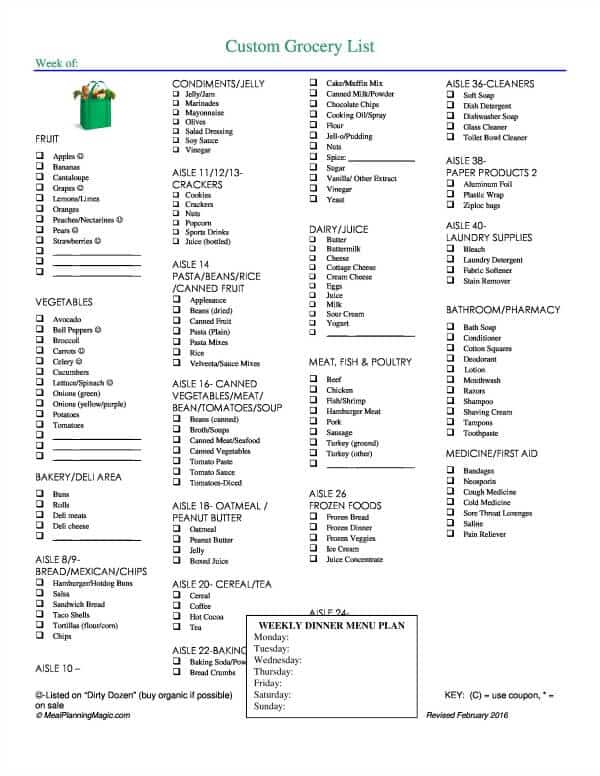
Stores are designed to make you spend: colorful displays, smells, “limited-time deals,” and discounts that aren’t actually discounts. Shopping without a list is one of the most sneaky Common Budgeting Mistakes That Keep You Broke, because you buy more than you need.
Impulse buying often happens when you:
- Shop hungry
- Shop tired
- Shop stressed
- Shop without checking your fridge or pantry
- Shop without a spending limit
How to Fix It
Create shopping rules:
- Always bring a list.
- Set a firm spending limit.
- Shop your kitchen before going to the store.
- Buy store brands instead of name brands.
- Avoid middle aisles where temptations sit.
- Stick to meal planning for the week.
This alone can save $100–$300 per month.
9. Not Comparing Prices or Looking for Deals


Why This Keeps You Broke
Another common Common Budgeting Mistakes That Keep You Broke is staying loyal to stores, brands, or service providers even when cheaper options exist. Companies count on customers not checking prices.
This affects areas like:
- Groceries
- Phone and internet bills
- Insurance
- Cleaning products
- Prescriptions
- Streaming services
- Household supplies
Even small differences add up big over a year.
How to Fix It
Comparison becomes a habit:
- Use online tools and apps to compare prices.
- Ask your internet or phone provider for a discount yearly.
- Switch to generic brands when quality is equal.
- Use browser extensions for coupons.
- Track subscriptions and cancel unused ones.
Smart shoppers save without sacrificing quality.
10. Overestimating Your Income

Why This Keeps You Broke
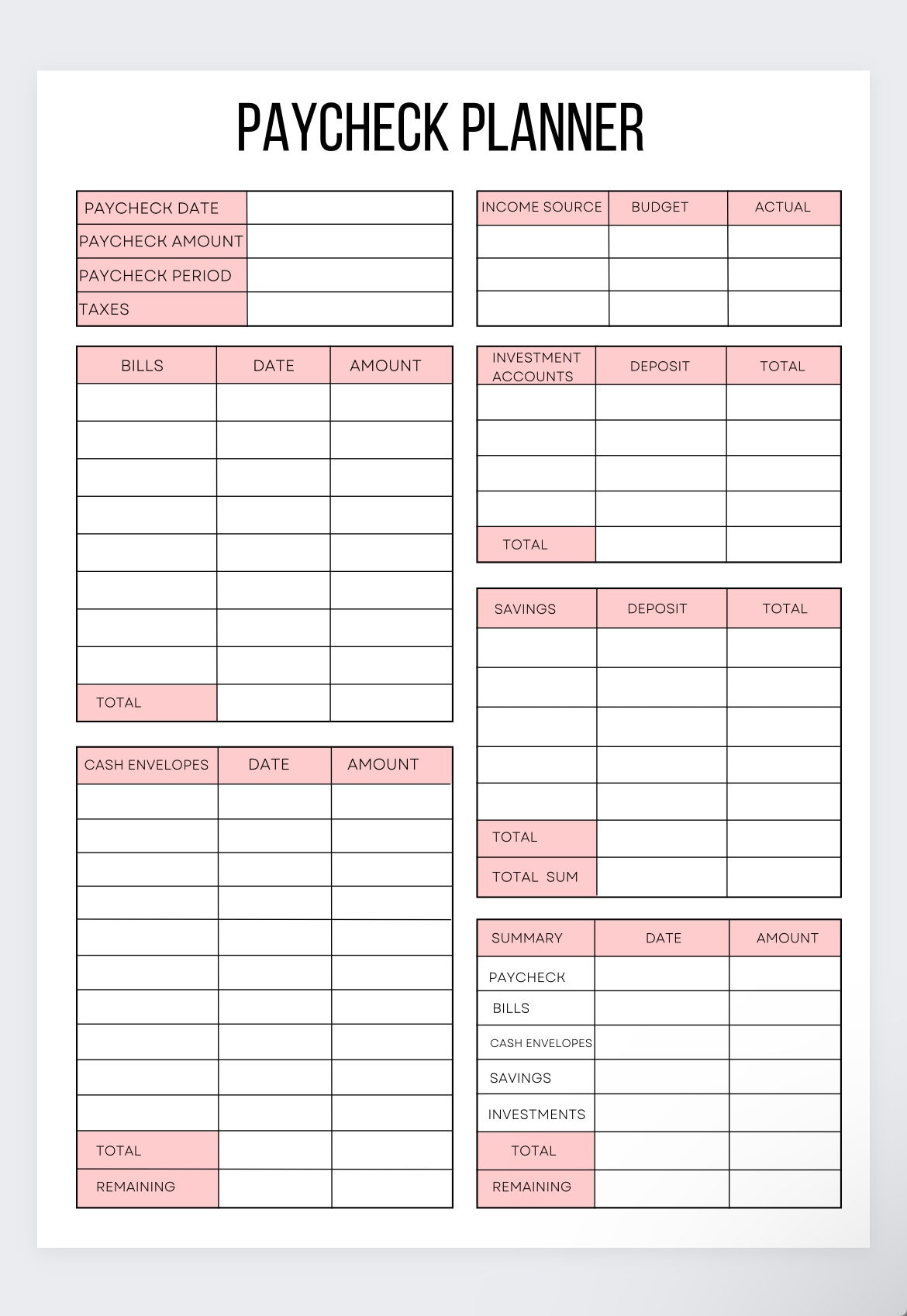
A dangerous habit—and one of the Common Budgeting Mistakes That Keep You Broke—is budgeting based on money you hope to earn (bonuses, overtime, freelance jobs). When the money doesn’t come, your budget breaks.
Overestimating income leads to:
- Overspending
- Relying on credit
- Falling behind on bills
- Stress when expected money doesn’t arrive
How to Fix It
Use this rule:
Base your budget only on your lowest reliable income.
Everything extra becomes a bonus.
Allocate bonus income using a simple formula:
- 50% savings
- 30% fun
- 20% debt repayment
This creates both stability and flexibility.
11. Not Reviewing Your Budget Regularly


Why This Keeps You Broke
Life changes constantly. If your budget stays the same while your expenses or income change, the plan becomes useless. Many people create a budget once and never update it—a major Common Budgeting Mistakes That Keep You Broke.
Without regular review:
- You overspend in certain categories
- Bills increase without adjusting your plan
- Goals drift away
- You repeat old habits
- Hidden expenses build up
How to Fix It
Create a review routine:
- Weekly (10 minutes): Check spending.
- Monthly (20 minutes): Adjust categories.
- Quarterly (30–40 minutes): Update goals and income changes.
A living budget leads to long-term success.
12. Trying to Be Too Perfect


Why This Keeps You Broke
Perfectionism is secretly one of the biggest Common Budgeting Mistakes That Keep You Broke. Many people think one mistake ruins everything. They overspend one day and then abandon the entire budget.
Perfectionism leads to:
- All-or-nothing thinking
- Budget burnout
- Guilt and frustration
- Giving up too quickly
How to Fix It
Shift to a flexible money mindset:
- Expect mistakes—they’re normal.
- Adjust instead of restarting.
- Focus on small weekly progress.
- Celebrate wins, even small ones.
- Track long-term trends, not daily perfection.
Budgeting is a skill. Skills improve with practice—not perfection.
FAQ
1. What are the most Common Budgeting Mistakes That Keep You Broke?
Some of the biggest include not tracking spending, relying too much on credit, unrealistic budgets, and ignoring irregular expenses.
2. How often should I review my budget?
A weekly mini-review and monthly full review work best.
3. What’s the first step to fixing Common Budgeting Mistakes That Keep You Broke?
Start by tracking every expense for 30 days. Awareness creates instant improvement.
4. How big should my emergency fund be?
Begin with $500, then grow to $1,000, and eventually 3–6 months of expenses.
5. Is using a credit card bad?
No—credit cards are fine if paid weekly and used intentionally.
6. How do I stop small expenses from adding up?
Set a weekly allowance and track frequent habits.
7. Should I use budgeting apps?
Yes—they simplify tracking and help prevent Common Budgeting Mistakes That Keep You Broke.
8. What if my income changes every month?
Budget based on your lowest predictable monthly income.
9. How do I stop impulse spending?
Use lists, spend limits, and the 24-hour rule before purchases.
10. Can budgeting help me get out of debt?
Absolutely. Fixing the Common Budgeting Mistakes That Keep You Broke frees money for faster debt payoff.
Call to Action
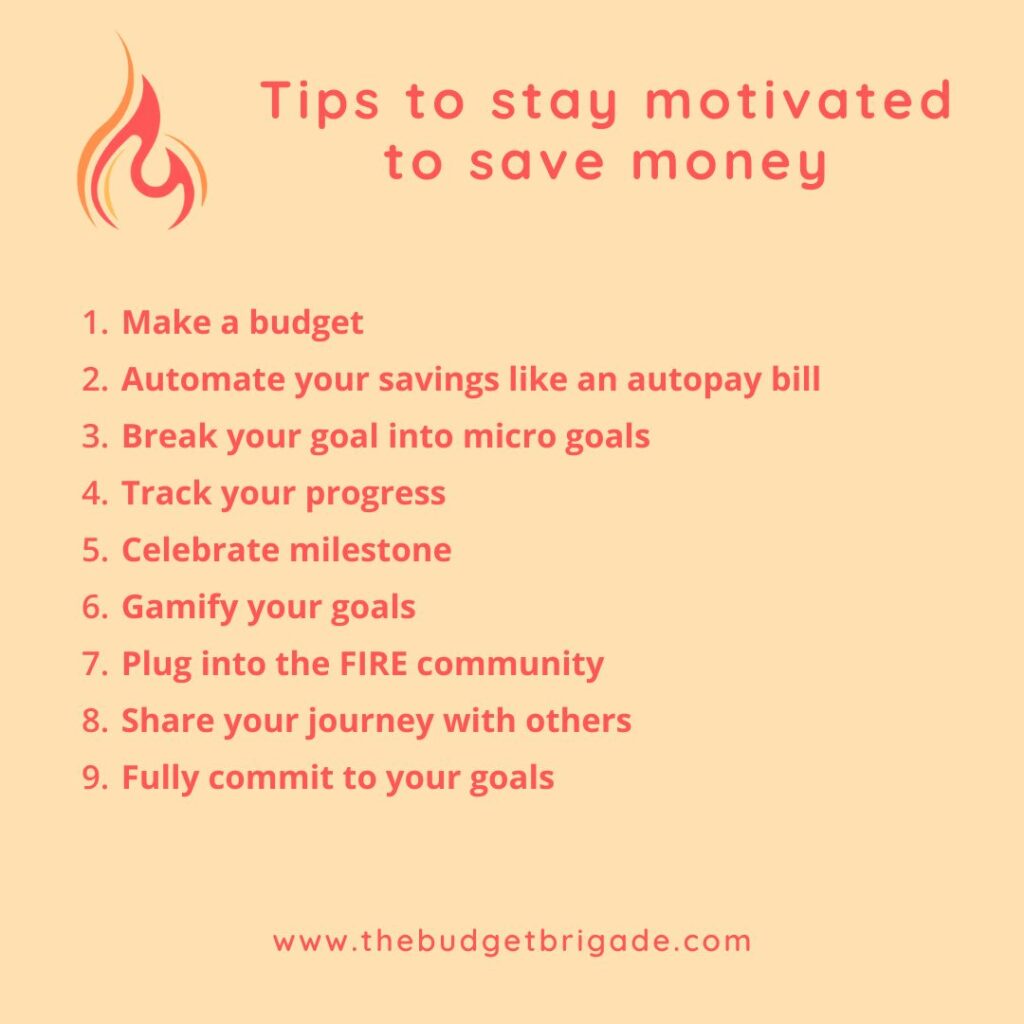
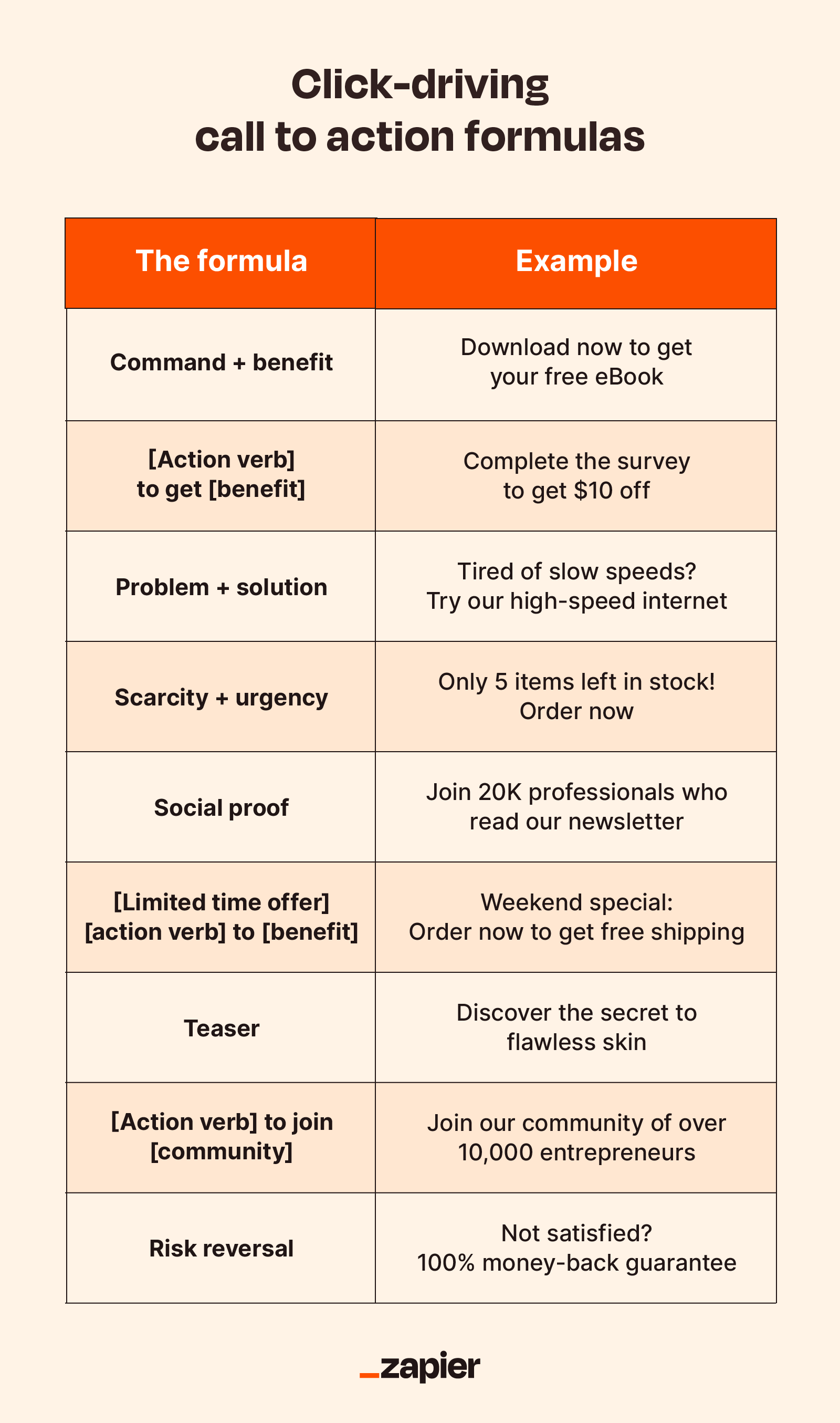
You now understand the major Common Budgeting Mistakes That Keep You Broke, and you have the tools to fix them. The next step is simple: take action. Start tracking your spending, update your budget, and set clear goals today.
▶ Helpful external guide:
https://www.investopedia.com/personal-finance
▶ Internal related resource:
Read more about Budgeting
Your financial future starts with a single step—take it now.
Conclusion


Avoiding the Common Budgeting Mistakes That Keep You Broke is the key to building a financially secure and confident life. These mistakes are common, but once you recognize them, you can correct them with simple, consistent habits. Budgeting isn’t about being perfect—it’s about staying aware, adjusting when needed, and making steady progress. With the strategies in this guide, you can take control of your spending, grow your savings, reduce stress, and move toward the financial freedom you deserve.