
Creating a monthly budget often sounds more complicated than it really is. Many beginners worry that budgeting means tracking every small expense or giving up things they enjoy. Because of that, budgeting is often delayed or avoided completely.
In reality, a monthly budget is simply a plan for how you use your money. It helps you understand where your income goes, avoid unnecessary stress, and make room for saving or future goals. You don’t need advanced math skills or expensive tools to get started.
In this guide, you’ll learn how to create a monthly budget in seven simple steps, explained clearly and designed for beginners. The goal is not perfection, but clarity — so you can build a budget that actually fits your life and is easy to maintain.
Step 1: Understand Your Monthly Income
Before creating a budget, you need to know exactly how much money comes in each month. This step sets the foundation for your entire budget, so it’s important to be honest and realistic.
Your budget should be based on the money you can actually use, not on what you hope to earn.
What Counts as Income
Income includes any money you receive on a regular basis. Common examples include:
- salary or wages from your job
- freelance or side income
- business income
- pensions or benefits
When budgeting, focus on net income, which is the amount you receive after taxes and deductions. This is the money available for spending, saving, and investing.
If some income is occasional or uncertain, it’s usually better to exclude it or treat it as a bonus rather than relying on it in your budget.
How to Handle Irregular Income
If your income changes from month to month, budgeting can feel more challenging, but it’s still manageable.
A simple approach is to:
- calculate an average based on the last few months
- or use your lowest monthly income as a baseline
This creates a safer budget that reduces stress during slower months. When you earn more than expected, you can use the extra money for savings, debt repayment, or future goals.
The key is to build a budget that works even when income isn’t perfectly predictable.
Step 2: List All Your Monthly Expenses
Once you know your income, the next step is to understand where your money goes. This means listing all your expenses, not just the obvious ones.
Many budgets fail because people underestimate their expenses. Being thorough here will make the rest of the budgeting process much easier.
Fixed Expenses Explained
Fixed expenses are costs that usually stay the same each month. These expenses are predictable and often essential.
Common fixed expenses include:
- rent or mortgage
- utilities with stable amounts
- insurance payments
- subscriptions
- loan or debt payments
Because fixed expenses don’t change much, they form the core of your budget. Make sure these are listed first.
Variable Expenses Explained
Variable expenses change from month to month. These are often related to daily living and lifestyle choices.
Examples of variable expenses include:
- groceries
- transportation
- eating out
- entertainment
- shopping
These expenses offer the most flexibility in a budget. Tracking them carefully helps you identify where adjustments can be made if needed.
Don’t Forget Occasional Expenses
Occasional expenses don’t happen every month, but they still affect your budget. These are often overlooked and can cause budgeting problems if ignored.
Examples include:
- annual subscriptions
- car maintenance
- medical costs
- gifts and special events
- travel
A good approach is to estimate the yearly cost of these expenses and divide it by 12. This way, you set aside a small amount each month and avoid surprises later.
Step 3: Track Your Spending Habits
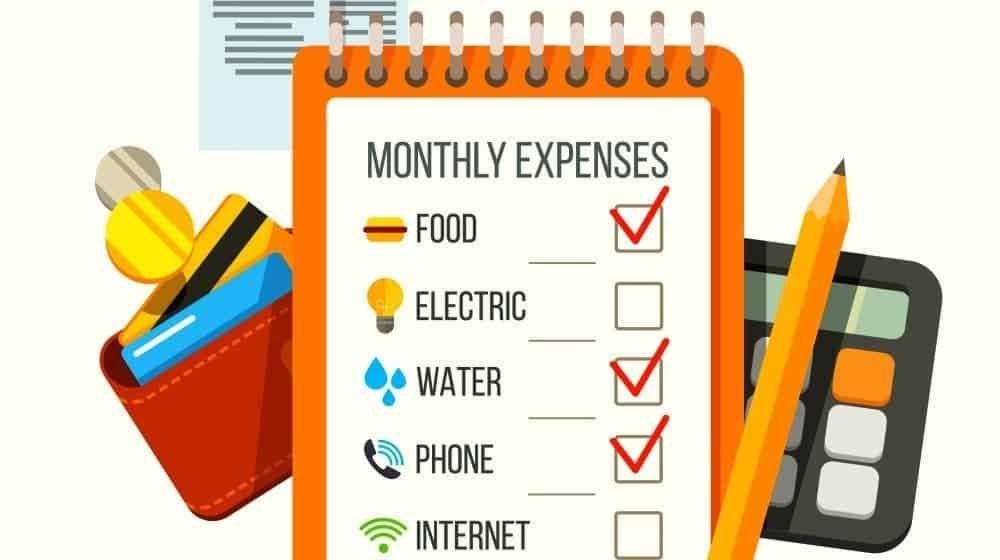
After listing your expenses, the next step is to observe how you actually spend money. Tracking your spending helps turn assumptions into facts and shows where your money really goes.
This step is not about judgment or strict control. It’s about awareness.
Why Tracking Matters
Many people underestimate how much they spend in certain areas. Small daily expenses can add up quickly without being noticed.
Tracking your spending helps you:
- see patterns in your habits
- identify unnecessary expenses
- understand where adjustments are possible
Once you know your spending habits, it becomes much easier to create a realistic and effective budget.
Simple Ways to Track Spending
Tracking doesn’t need to be complicated. Choose a method that fits your lifestyle and feels easy to maintain.
Simple options include:
- writing expenses down in a notebook
- using a basic spreadsheet
- checking bank or card statements regularly
- using a budgeting app
The goal is consistency, not perfection. Even tracking your spending for a few weeks can provide valuable insights and make your budget more accurate.
Tracking your expenses becomes much easier once you understand how you currently spend your money, which is why building good financial habits is so important.
Step 4: Categorize Your Expenses
Once you’ve tracked your spending, the next step is to organize those expenses into categories. Categories help you see how your money is distributed and make it easier to control spending without tracking every individual purchase.
This step turns raw spending data into something useful.
Common Budget Categories
Most budgets use a few basic categories that cover everyday spending. Common budget categories include:
- housing (rent or mortgage)
- utilities
- groceries
- transportation
- insurance
- debt payments
- savings
- entertainment
- personal spending
You don’t need dozens of categories to get started. A simple structure is usually more effective and easier to manage.
How Detailed Your Categories Should Be
When it comes to categories, simpler is usually better. Too many categories can make budgeting feel overwhelming and hard to maintain.
A good rule is to:
- start with broad categories
- add detail only if it helps you understand your spending better
For example, you might combine dining out and entertainment at first, then split them later if needed. Your categories should support your budget, not complicate it.
Step 5: Set Realistic Spending Limits
After categorizing your expenses, it’s time to decide how much you want to spend in each category. Spending limits give your budget structure, but they should feel supportive, not restrictive.
A good budget guides your spending instead of making you feel guilty about it.
How to Decide Spending Limits
The easiest way to set spending limits is to use your recent spending as a starting point. Look at what you’ve been spending on average in each category and adjust gradually.
When setting limits:
- cover essential expenses first
- leave room for savings if possible
- base limits on realistic numbers, not ideal ones
If you’re unsure, it’s better to start slightly higher and adjust later than to set limits that are impossible to follow.
Avoiding Overly Strict Budgets
One of the most common budgeting mistakes is being too strict. Budgets that allow no flexibility often lead to frustration and give-up.
To avoid this:
- allow some room for enjoyment
- expect occasional overspending
- focus on progress, not perfection
A budget should fit your real life. If it feels too tight, it’s okay to adjust. A flexible budget that you stick to is far more effective than a perfect one you abandon after a week.
Step 6: Adjust Your Budget to Fit Your Life
A budget is not something you set once and never change. Life changes, expenses change, and your budget should adapt with them. Adjusting your budget is a normal part of the process, not a failure.
The goal is to make your budget work for you, not the other way around.
What to Do If Expenses Are Too High
If your expenses are higher than your income, don’t panic. This is a common situation, especially at the beginning.
Start by:
- reviewing your variable expenses
- identifying areas where spending is higher than expected
- prioritizing essential costs
Even small adjustments can make a difference. Focus on reducing pressure gradually rather than trying to fix everything at once.
Finding Areas to Cut Back Gently
Cutting back doesn’t mean giving up everything you enjoy. The best changes are often small and sustainable.
Consider options like:
- reducing frequency instead of eliminating expenses
- choosing lower-cost alternatives
- setting short-term limits rather than permanent rules
Gentle adjustments are easier to maintain and help build confidence in your budgeting habits.
Step 7: Review and Improve Your Budget Monthly
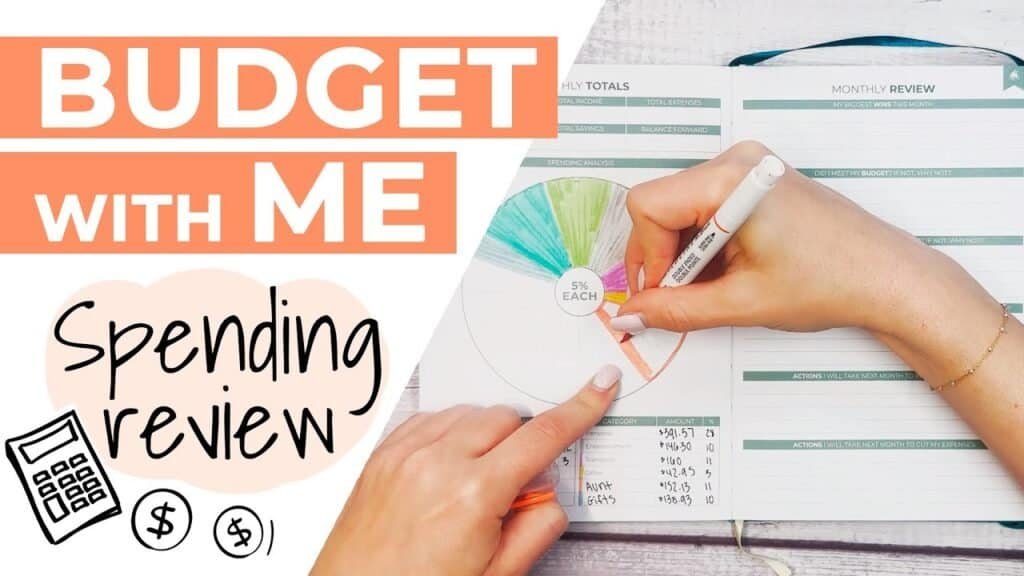
Creating a budget is only the beginning. To keep it useful, your budget needs regular attention. Reviewing it each month helps you stay aware of your finances and make small improvements over time.
Think of budgeting as a routine check-in, not a strict rule.
Why Budgets Need Regular Updates
Your income, expenses, and priorities can change from month to month. A budget that worked well last month may need adjustments this month.
Regular reviews help you:
- spot overspending early
- adjust categories that don’t work
- respond to changes in income or expenses
Updating your budget keeps it realistic and prevents frustration.
How to Stay Consistent Over Time
Consistency matters more than perfection when it comes to budgeting. Small, regular check-ins are easier to maintain than big, stressful reviews.
To stay consistent:
- review your budget at the same time each month
- keep changes simple
- focus on progress rather than mistakes
Over time, this habit builds confidence and makes managing money feel more natural.
Common Budgeting Mistakes Beginners Make
Many beginners struggle with budgeting not because it’s difficult, but because of a few common mistakes. Understanding these early can save time and frustration.
Trying to Be Too Perfect
One of the biggest mistakes is aiming for a perfect budget right away. Trying to control every expense or follow strict rules often leads to stress and burnout.
A better approach is to start simple and improve gradually. A flexible budget is easier to follow and more effective over time.
Forgetting Small Expenses
Small expenses like coffee, snacks, or subscriptions may seem harmless, but they can add up quickly.
Ignoring these costs can make a budget feel inaccurate. Including them helps you understand your true spending habits and make better adjustments.
Giving Up Too Early
Many people stop budgeting after one difficult month. Unexpected expenses or small mistakes can make it feel like budgeting doesn’t work.
Budgeting is a learning process. Mistakes are normal, and each month gives you more information to improve your plan.
Simple Monthly Budget Example
Seeing a real example makes budgeting much easier to understand. Below is a simple monthly budget to show how all the steps come together.
Sample Budget Breakdown
Imagine a person with a monthly net income of $2,500. A basic budget could look like this:
- Housing: $900
- Utilities: $200
- Groceries: $300
- Transportation: $200
- Insurance: $150
- Personal & Entertainment: $250
- Savings: $300
- Miscellaneous: $200
This budget covers essentials first, leaves room for enjoyment, and includes savings as a fixed part of the plan.
The exact numbers don’t matter as much as the balance. What’s important is that total expenses do not exceed income.
What This Example Teaches Beginners
This example shows that a budget doesn’t need to be complicated or restrictive. It simply gives your money a purpose.
Key lessons for beginners:
- savings should be treated like a regular expense
- not every category needs to be perfect
- flexibility helps make a budget sustainable
As your income or expenses change, your budget can change too. The goal is progress, not perfection.
Frequently Asked Questions About Monthly Budgeting
How Much Should I Save Each Month?
A common guideline is to save 10–20% of your income, but this is not a strict rule. If that feels too high, start with a smaller amount and increase it gradually. What matters most is building the habit of saving consistently.
What If My Budget Doesn’t Work?
If your budget doesn’t work, it doesn’t mean you failed. It usually means the budget needs adjusting. Review where spending went off track and make small changes. Budgeting is a process, and it often takes a few months to find what works best for you.
Is Budgeting Only for Low Income?
No. Budgeting is useful at any income level. In fact, higher income often comes with more spending choices, making budgeting even more important. A budget helps you control your money instead of wondering where it went.
How Long Does It Take to See Results?
Many people notice better awareness within the first month. Clear financial results, such as increased savings or reduced stress, usually appear after a few months of consistent budgeting. Patience and regular reviews make a big difference.
Final Thoughts on Creating a Monthly Budget
Creating a monthly budget is less about strict rules and more about building a helpful habit. A budget is meant to guide your decisions, not control every detail of your life. When you treat budgeting as a flexible tool, it becomes easier to stick with over time.
The best way to start is to keep things simple. You don’t need a perfect system or detailed tracking to see benefits. Small steps, taken consistently, can lead to better awareness, less stress, and more confidence in managing your money.
As your situation changes, your budget can change with you. What matters most is starting, learning from each month, and continuing to improve at a pace that feels comfortable.
1 thought on “How to Create a Monthly Budget in 7 Super Simple Steps”