Discover the 6 Money-Wasting Habits You Must Cut This Week to save faster, spend smarter, and take control of your financial life. Learn practical steps, expert tips, and real examples to stop losing money and start building wealth today.
Introduction: Why Cutting These Habits Matters Now
If you want to improve your finances quickly, identifying the 6 Money-Wasting Habits You Must Cut This Week is one of the easiest ways to start. Most people don’t realize how small routines drain their wallet—tiny purchases, unnoticed fees, or impulse choices that silently eat away at long-term goals. The good news is that once you recognize these money-wasting habits, you can replace them with smarter behaviors that help you save more without feeling deprived.
This guide breaks down the 6 Money-Wasting Habits You Must Cut This Week, explains why they’re dangerous, and gives simple steps to eliminate them. By the end, you’ll understand exactly where your money goes, how to stop wasteful spending, and how to build healthier financial habits that support your future.


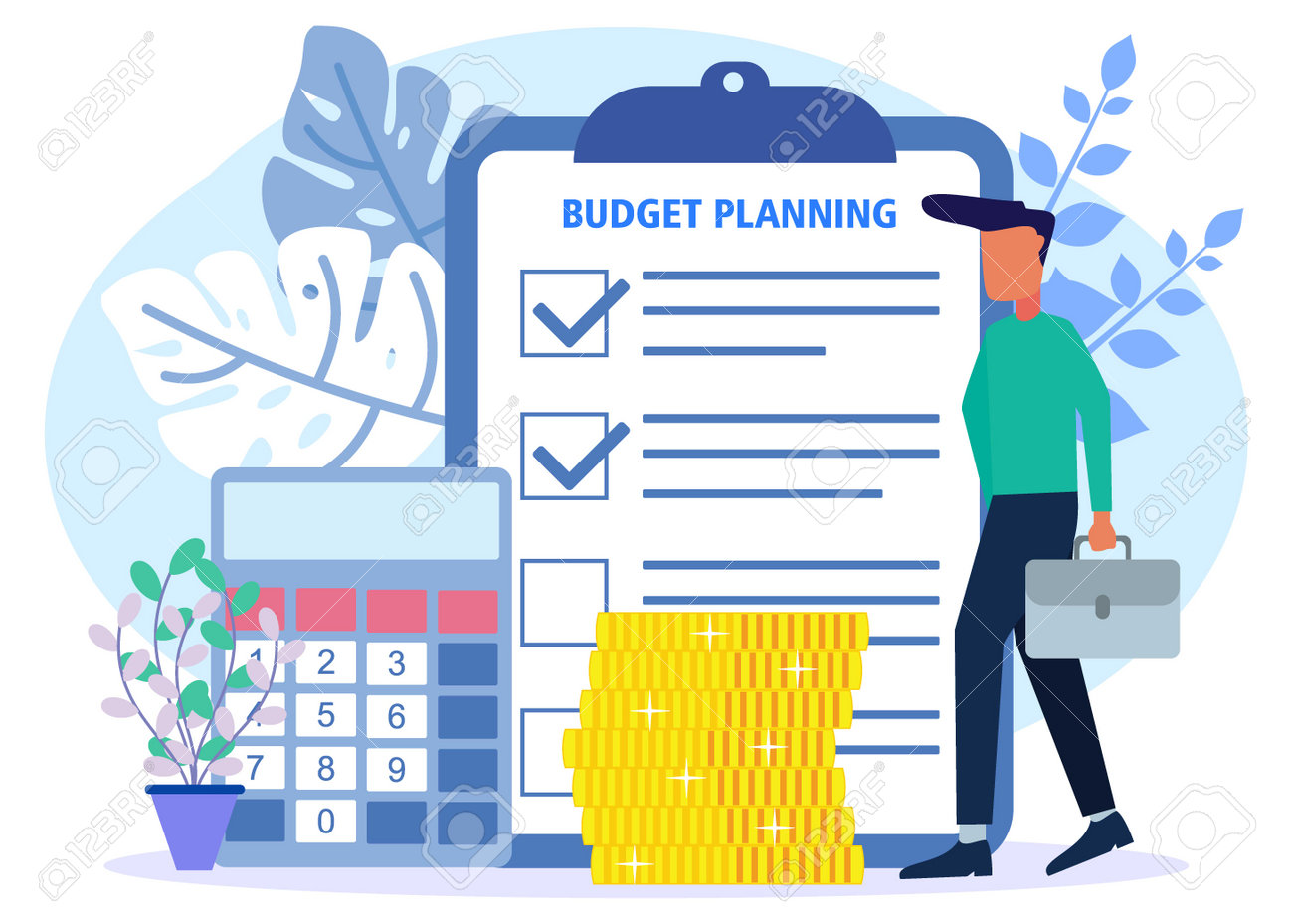
1. Ignoring Your Monthly Budget: The Silent Wealth Killer
A major item on the list of 6 Money-Wasting Habits You Must Cut This Week is neglecting your monthly budget. Many people think budgets are complicated or limiting, but the truth is the opposite. A budget gives you more freedom by showing where your money goes and how much you can actually spend without stress.
When you ignore your budget, small expenses add up: daily coffee, random app subscriptions, spontaneous online purchases, and higher-than-expected bills. Without tracking your spending, you end up running out of money too early and relying on credit cards, creating even bigger problems.
Why This Habit Wastes Money
- You overspend without noticing.
- You lose track of subscription renewals.
- You make emotional financial choices.
- You pay fees for late bills or overdrafts.
- You fail to save because you don’t set goals.
How to Fix It This Week
🌟 Step 1: Track every expense for 3 days.
Just three days will show patterns you didn’t expect.
🌟 Step 2: Choose a simple budgeting method.
Try:
- 50/30/20 rule
- Zero-based budgeting
- Envelope method
- Free budgeting apps like Mint or PocketGuard
🌟 Step 3: Set one weekly spending limit.
Instead of micromanaging categories, give yourself a weekly allowance for fun spending. This stops impulse buying.
Practical Example
Sarah thought she spent only $50 a week on extras. After tracking her spending for 5 days, she discovered she actually spent $145—almost triple. Once she set a weekly cap, she saved over $300 per month.
Ignoring your budget is one of the 6 Money-Wasting Habits You Must Cut This Week because it keeps you blind to your financial reality. Taking control now will give you clarity and confidence.

2. Overusing Food Delivery and Eating Out
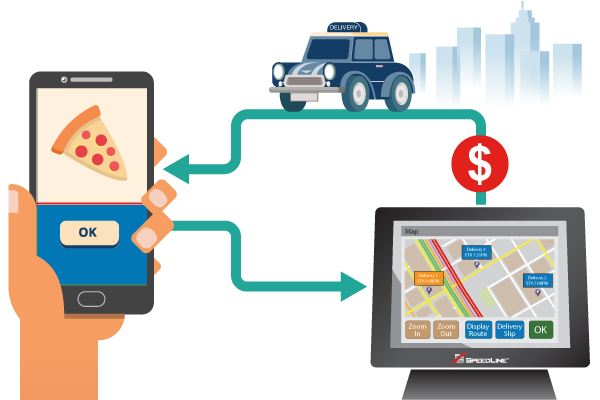
Another major entry among the 6 Money-Wasting Habits You Must Cut This Week is relying too heavily on food delivery apps and eating out. These conveniences feel harmless individually, but their long-term impact is huge.
Why It’s a Money-Wasting Habit
Delivery apps add:
- Service fees
- Delivery fees
- Tips
- Marked-up food prices
Even a $12 meal becomes a $24 order. If you order food 5 times a week, that’s easily an extra $200–300 per month.
How Eating Out Sets You Back
Eating out often means paying two to three times more compared to cooking at home. But because meals are social or emotional experiences, the habit is easy to ignore.
Simple Fixes You Can Start Today
🍽️ Step 1: Meal prep twice a week.
This cuts temptation and saves both money and time.
🍽️ Step 2: Create a “delivery-free” zone.
Choose 3 days where you commit to zero ordering.
🍽️ Step 3: Limit eating out to social events only.
Not for boredom. Not for convenience.
Case Study
A family of three cut their food delivery from 8 orders a week to 2. They saved $480 per month, totaling $5,760 per year.
If cutting this habit feels hard, remember: eliminating unnecessary delivery is one of the 6 Money-Wasting Habits You Must Cut This Week because it offers quick wins and immediate savings.

3. Keeping Too Many Subscriptions You Don’t Use
Subscriptions are sneaky. They hide quietly in the background until your bank statement reminds you how much they drain from your account. One of the most dangerous of the 6 Money-Wasting Habits You Must Cut This Week is failing to manage or cancel unused services.
How Subscriptions Waste Money
- You forget free trials.
- You keep memberships “just in case.”
- You subscribe to multiple similar services.
- Prices increase without your notice.
According to studies, the average person spends $219 per month on subscriptions—but believes they spend only $86.
How to Fix This Habit
🧾 Step 1: Do a subscription audit.
List everything you pay for monthly.
🧾 Step 2: Cancel at least 2 services today.
If it’s not essential, it goes.
🧾 Step 3: Switch to yearly billing.
This often saves 20–30%.
🧾 Step 4: Use reminder apps.
Set alerts for renewal dates.
Example
Mark realized he had:
- 3 TV streaming apps
- 2 fitness apps
- 2 music apps
- A forgotten software subscription
He cut everything down to one streaming app and one music app, saving $86 per month.
Removing unnecessary subscriptions is one of the 6 Money-Wasting Habits You Must Cut This Week because it frees up money instantly—no sacrifice needed.


4. Impulse Buying Without a 24-Hour Rule
Impulse buying is emotionally satisfying, but financially destructive. It is another of the 6 Money-Wasting Habits You Must Cut This Week, especially because most impulse purchases are forgotten or unused within weeks.
Why Impulse Buying Happens
- Discounts trick your brain.
- Social media ads create fake urgency.
- Shopping feels like stress relief.
- Retailers use psychology to push you to buy.
The 24-Hour Rule
Before buying anything non-essential, wait 24 hours.
Simple—yet incredibly effective.
How It Helps You Save
- You avoid emotional purchases.
- You realize you don’t really need it.
- You compare prices.
- You prevent buyer’s remorse.
Additional Strategies
🛍️ Step 1: Remove saved credit cards from apps.
Making checkout harder reduces impulse buys.
🛍️ Step 2: Create a wish list.
Let items sit for a week before deciding.
🛍️ Step 3: Use cash for fun spending.
It makes you think twice.
Real-Life Example
Maria spent $300 a month on random online items. After applying the 24-hour rule, her impulse purchases dropped by 80%.
Impulse buying is one of the 6 Money-Wasting Habits You Must Cut This Week because it’s driven by emotion, not need. Breaking the cycle gives you more control and more savings.


5. Paying High Interest on Credit Cards
High-interest credit card debt is a brutal financial burden and earns its place among the 6 Money-Wasting Habits You Must Cut This Week. If you carry a balance, you’re not just paying for what you bought—you’re paying extra every month in interest.
Why This Habit is Costly
- APR often ranges from 20%–32%.
- Minimum payments barely reduce the balance.
- You lose money every month without noticing.
- Interest compounds, making things worse over time.
Break the Habit This Week
💳 Step 1: Stop using credit cards for non-essential purchases.
💳 Step 2: Pay more than the minimum.
Even an extra $20–50 speeds up debt reduction dramatically.
💳 Step 3: Switch to a 0% APR balance transfer card.
💳 Step 4: Use the snowball or avalanche method.
Practical Breakdown
If you owe $3,000 at 26% interest and only pay the minimum, you may pay over $7,000 in total and stay in debt for years.
But if you increase your monthly payment by just $75, you can shave more than a year off your repayment time.
Why This Is One of the 6 Money-Wasting Habits You Must Cut This Week
Credit card interest does nothing for your life. You’re not buying experiences. You’re not building wealth. You’re paying for past choices. Cutting this habit frees your future.


6. Buying Brand-Name Items When Generic Works the Same
The sixth and final entry in the 6 Money-Wasting Habits You Must Cut This Week is buying brand-name items when generic alternatives offer the same quality.
Why Brand Loyalty is Expensive
- You pay for the name, not the product.
- Generic items often come from the same manufacturer.
- Grocery stores mark up branded items heavily.
Where Switching to Generic Saves the Most
- Medication
- Cleaning products
- Pantry items (rice, pasta, sugar)
- Basic clothing
- School supplies
- Office items
- Batteries
Real Numbers
A family who switches 10 items per shopping trip from branded to generic can save $40–60 weekly. That’s $2,000+ per year.
How to Try This Habit Change
🛒 Step 1: Switch one category each week.
Start small.
🛒 Step 2: Compare ingredient lists.
Most are identical.
🛒 Step 3: Test generic brands at discount stores.
Once people make the switch, they rarely go back—because the savings are real and the quality is often identical. Buying generic brands is one of the 6 Money-Wasting Habits You Must Cut This Week that gives you instant, easy wins.


Conclusion: Start Cutting These Habits Today
The 6 Money-Wasting Habits You Must Cut This Week aren’t complicated, but they have a powerful impact on your financial future. By recognizing how you spend, setting boundaries, and making small daily changes, you can save hundreds or even thousands each year. Start with one habit today, and build momentum toward a smarter, wealthier lifestyle.

Frequently Asked Questions (FAQ)
About the 6 Money-Wasting Habits You Must Cut This Week
1. What are the most common signs I have money-wasting habits?
You may notice you’re living paycheck to paycheck, running out of money before the end of the month, paying late fees, or feeling stressed about unexpected bills. These are strong signs that the 6 Money-Wasting Habits You Must Cut This Week might be affecting your financial health.
2. How quickly can I save money after cutting these habits?
Most people see savings within the first week. For example, cutting delivery apps, canceling unused subscriptions, and using the 24-hour rule create instant financial wins.
3. Do I need to follow all 6 Money-Wasting Habits You Must Cut This Week immediately?
No. Start with one habit, fix it, and then move to the next. Small, consistent changes lead to powerful results over time.
4. Are these habits useful for people with low income?
Absolutely. The 6 Money-Wasting Habits You Must Cut This Week apply to all income levels. In fact, people with lower incomes often benefit the fastest because they feel the positive impact much more quickly.
5. Should I use budgeting apps to fix these habits?
Yes! Budgeting apps help you track spending and avoid overspending. Tools like PocketGuard, Mint, or YNAB make it easier to identify money-wasting patterns.
6. What if I struggle with impulse buying the most?
Use the 24-hour rule, delete saved cards from online shops, and set a weekly spending cap. These small actions reduce emotional purchases significantly.
7. How do I stay motivated after the first week?
Track your progress. Seeing how much money you saved by cutting the 6 Money-Wasting Habits You Must Cut This Week will keep you motivated to continue building wealth.
8. Are generic products really as good as brand-name items?
In most cases, yes. Many generic items are produced in the same factories as branded ones. You save money without losing quality.
9. How do credit card interest charges affect long-term wealth?
High interest steals future savings. Reducing or eliminating credit card debt gives you more freedom to save, invest, and build long-term wealth.
10. Can I teach these habits to my kids or teenagers?
Absolutely. Understanding these 6 Money-Wasting Habits You Must Cut This Week early helps children grow into financially responsible adults.
📣 Call To Action (CTA)
Ready to transform your finances starting today?
You now understand the 6 Money-Wasting Habits You Must Cut This Week, but knowledge only matters when you take action. Imagine:
💰 Saving hundreds every month
📉 Eliminating financial stress
📈 Building real wealth—faster than ever
For additional saving strategies, check out this guide from Investopedia:
https://www.investopedia.com/personal-finance-4427760
Read our related guide here:
https://moneybasicshub.com/category/money-management/
👉 Start with ONE habit right now.
👉 Bookmark this guide and review it weekly.
👉 Join our free newsletter to get weekly money-saving hacks, budgeting tools, and step-by-step guides to help you stay on track.
Your financial freedom starts with one small choice today—make it count.